

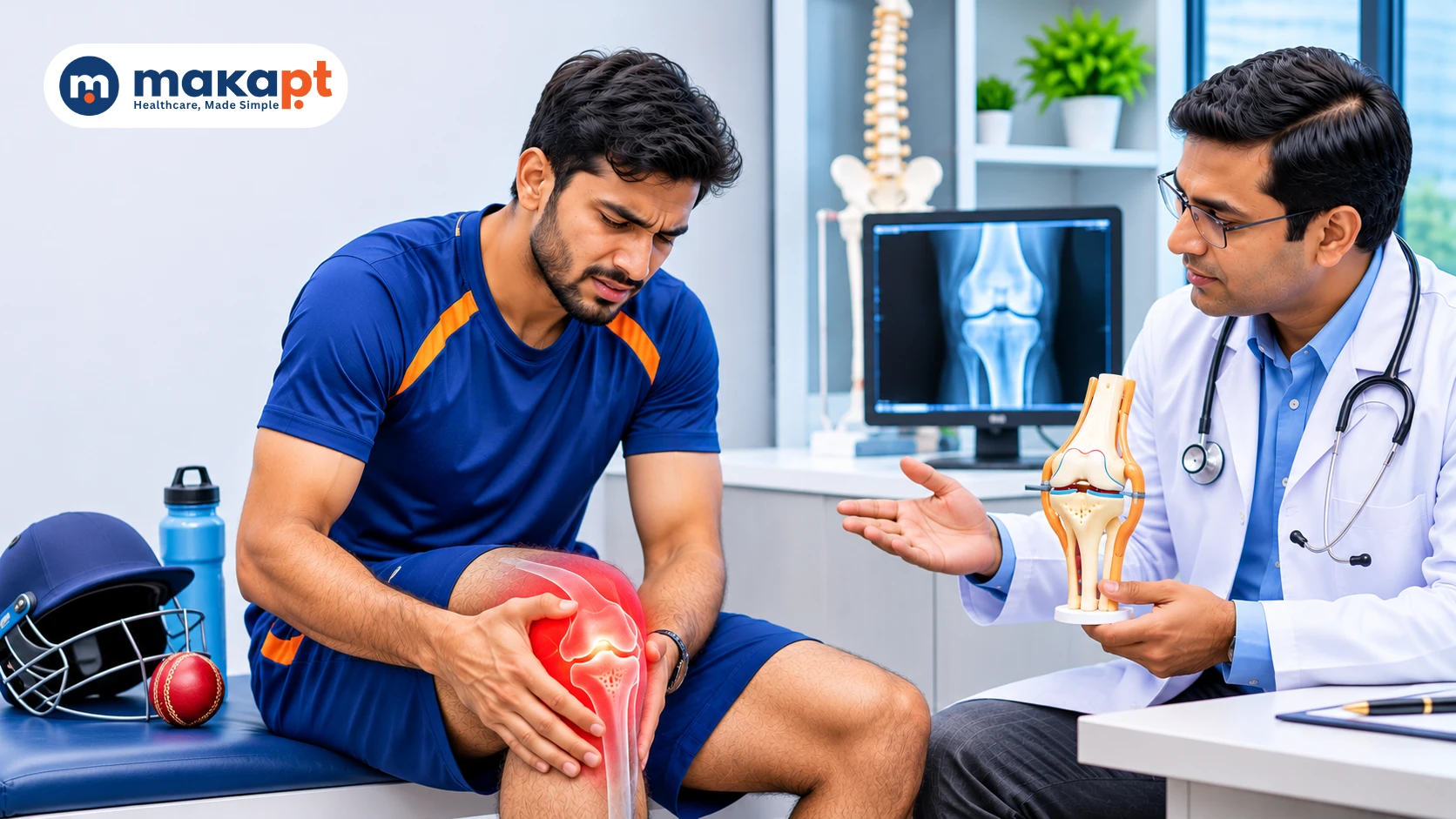
Sports and physical activities are good for our health. Playing cricket, football, badminton, running, cycling or going to the gym helps keep the body active and strong. However, these activities can sometimes cause injuries to muscles, bones, joints, ligaments and tendons.
Sports injuries can happen to professional athletes as well as people who exercise occasionally. Some injuries occur suddenly during a match or workout, while others develop slowly due to repeated movements, excessive exercise or incorrect techniques.
Ignoring pain and continuing to play can sometimes make an injury worse. Getting the right diagnosis and treatment at the right time can help prevent further damage and support a safe recovery.
In this guide, we will explain common sports injuries, their symptoms, available treatment options, recovery time and when you should consult an orthopedic doctor in Gorakhpur.
What Are Sports Injuries?
Sports injuries are injuries that happen during sports, exercise, workouts or other physical activities. They can affect different parts of the body, including muscles, ligaments, tendons, joints and bones.
Sports injuries may happen because of:
- Sudden twisting or turning movements.
- Falling or receiving a direct hit.
- Incorrect exercise techniques or posture.
- Using weights that are too heavy.
- Not allowing enough time for recovery.
- Repeating the same movement too frequently.
- Not preparing properly before exercise.
Sports injuries can affect professional athletes, school and college students, gym users, runners and people who participate in recreational sports.
Early diagnosis and appropriate treatment can help reduce complications and improve the chances of a successful recovery.
Common Types of Sports Injuries
Different sports and physical activities can cause different types of injuries. Some of the most common ones are explained below.
1. Muscle Strains
A muscle strain occurs when a muscle or the tendon attached to it is overstretched or torn. It can happen during sudden movements, sprinting, lifting heavy weights or exercising without proper preparation.
Common symptoms include:
- Muscle pain and tenderness.
- Swelling or bruising.
- Muscle weakness.
- Difficulty moving the affected area.
- Pain when using or stretching the muscle.
Muscle strains commonly affect the hamstrings, calf muscles, back and shoulders.
Treatment depends on the severity of the injury and may include activity modification, appropriate pain management and physiotherapy.
2. Ligament Injuries
Ligaments are strong bands of tissue that connect bones and help keep joints stable. A ligament injury can occur when a joint twists suddenly or moves beyond its normal range.
Common ligament injuries include:
- ACL injuries in the knee.
- MCL injuries in the knee.
- Ankle ligament sprains.
- Other knee and shoulder ligament injuries.
Symptoms may include pain, swelling, bruising, restricted movement and a feeling that the joint is unstable.
The treatment depends on which ligament is injured and how serious the damage is. Some injuries improve with rehabilitation, while more severe injuries may require additional treatment or surgery.
3. ACL Injury
The Anterior Cruciate Ligament (ACL) is one of the major ligaments that helps stabilize the knee joint.
ACL injuries are commonly associated with sports that involve sudden direction changes, jumping, landing or stopping quickly, such as football, basketball and cricket.
Common symptoms of an ACL injury include:
- A popping sound or sensation at the time of injury.
- Rapid swelling around the knee.
- Pain and difficulty walking.
- Reduced knee movement.
- A feeling that the knee may give way.
Not every ACL injury requires surgery. The treatment decision depends on the extent of the tear, knee stability, activity level and the patient's overall condition.
An orthopedic specialist can assess the injury and recommend suitable treatment, which may include rehabilitation or ACL reconstruction surgery.
4. Ankle Sprains
An ankle sprain happens when the ligaments supporting the ankle are stretched or torn. It commonly occurs when the foot twists or rolls unexpectedly.
Ankle sprains can happen while playing football, cricket, badminton or running on an uneven surface.
Common symptoms include:
- Pain around the ankle.
- Swelling and bruising.
- Tenderness when touching the affected area.
- Difficulty putting weight on the foot.
- Restricted ankle movement.
Mild ankle sprains often improve with appropriate care and rehabilitation. More serious injuries may require medical assessment, imaging or additional treatment.
5. Shoulder Injuries from Gym and Sports Activities
The shoulder is involved in many movements, including lifting, throwing, swimming and weight training. Repeated movements, heavy weights or sudden strain can cause shoulder injuries.
Common shoulder problems include:
- Rotator cuff injuries.
- Shoulder tendon injuries.
- Shoulder instability.
- Muscle strains.
- Shoulder impingement-related pain.
Symptoms may include shoulder pain, weakness, difficulty lifting the arm and discomfort while performing overhead movements.
If shoulder pain continues or affects everyday activities, an orthopedic doctor should evaluate the problem.
6. Overuse Injuries
Overuse injuries develop gradually when the same muscles, tendons or bones experience repeated stress without enough recovery time.
They are common among runners, gym users and people who suddenly increase their exercise intensity.
Examples include:
- Tendinitis or tendinopathy.
- Stress fractures.
- Repetitive strain injuries.
- Persistent muscle or tendon pain.
Common symptoms include pain during activity, tenderness, stiffness and reduced performance.
Reducing the activity causing the pain, adjusting the exercise routine and following an appropriate rehabilitation plan can help manage many overuse injuries.
Common Symptoms of Sports Injuries
The symptoms of a sports injury depend on the affected body part and the severity of the injury.
Some common warning signs include:
- Pain during or after physical activity.
- Swelling or bruising.
- Difficulty bending or straightening a joint.
- Muscle weakness.
- Joint instability.
- Reduced range of motion.
- Difficulty walking, running or putting weight on a limb.
- Pain that returns whenever you exercise.
Do not ignore repeated pain or continue playing through an injury without understanding its cause.
When Should You See an Orthopedic Doctor for a Sports Injury?
Some minor injuries may improve with rest and appropriate home care. However, medical assessment is important when symptoms are severe, persistent or affecting normal movement.
You should consult a doctor if you experience:
- Severe pain or swelling after an injury.
- Difficulty standing or putting weight on the affected leg.
- A joint that feels unstable or repeatedly gives way.
- Restricted movement in the knee, ankle or shoulder.
- Pain that does not improve or keeps returning.
- Repeated injuries in the same area.
- Suspected ligament, tendon or bone damage.
Seek urgent medical attention if there is an obvious deformity, an open wound with significant injury, loss of sensation, or a suspected fracture. Do not try to force a joint back into position yourself.
An orthopedic doctor can examine the affected area and may recommend investigations such as an X-ray or MRI when needed. These tests help assess the injury and guide treatment.
Orthopedic Doctors in Gorakhpur
Sports Injury Treatment Options
The right treatment depends on the type of injury, its severity, the affected body part and the patient's activity level.
Many sports injuries can be managed without surgery, especially when diagnosed early.
1. Initial Care and Activity Modification
For some minor injuries, initial care may include:
- Resting from activities that cause pain.
- Applying ice wrapped in a cloth to help manage swelling.
- Using appropriate compression when advised.
- Elevating the injured area when possible.
- Avoiding movements that increase pain.
Do not apply ice directly to the skin. If you suspect a serious injury, do not rely only on home treatment.
2. Medicines and Pain Management
A doctor may recommend medicines to help manage pain and inflammation, depending on the injury and the patient's medical history.
Painkillers and anti-inflammatory medicines are not suitable for everyone. They should be used according to medical advice rather than taken regularly without consultation.
3. Physiotherapy and Rehabilitation
Physiotherapy plays an important role in sports injury recovery.
A physiotherapist may design an exercise programme based on the injury and the patient's recovery progress.
Rehabilitation may help to:
- Improve muscle strength.
- Restore joint movement.
- Improve balance and flexibility.
- Build stability around injured joints.
- Improve coordination.
- Reduce the risk of future injuries.
For knee ligament injuries, ankle sprains and shoulder problems, rehabilitation is often an important part of treatment.
Returning to sports too early can increase the risk of another injury. Follow the advice of your treating doctor and physiotherapist before restarting intense activities.
4. Surgery and Advanced Treatment
Surgery may be considered for certain serious injuries, such as selected ACL tears, major ligament damage, some fractures or injuries that cause significant joint instability.
Depending on the condition, an orthopedic surgeon may recommend procedures such as:
- Arthroscopy.
- ACL reconstruction.
- Ligament repair or reconstruction.
- Fracture fixation.
Surgery is not necessary for every sports injury or ligament tear. The decision should be based on the examination, investigation results, activity requirements and expected benefits of treatment.
Orthopedic Surgeons in Gorakhpur
How Long Does It Take to Recover from a Sports Injury?
Recovery time varies from person to person. It depends on the type of injury, its severity, the treatment received, rehabilitation and overall health.
For example:
- Mild muscle strains: May improve within a few weeks.
- Mild ankle sprains: May recover over a few weeks, while more serious sprains can take longer.
- Ligament injuries: Recovery may take several weeks or months, depending on the ligament and extent of damage.
- ACL injuries: Recovery varies considerably. After ACL reconstruction, returning to demanding sports often takes several months and may take around 6–12 months or longer.
These are general examples, not guaranteed recovery timelines. Your doctor or physiotherapist can provide a more suitable estimate based on your injury.
Completing rehabilitation and returning to sports gradually are important parts of recovery.
How to Prevent Sports Injuries
Although not every sports injury can be prevented, following some basic precautions can reduce the risk.
Here are some useful tips:
- Warm up before exercise: Prepare your muscles and joints with suitable warm-up activities.
- Use the correct technique: Maintain proper posture while lifting weights and performing exercises.
- Increase intensity gradually: Avoid suddenly increasing workout duration, distance or weight.
- Wear suitable footwear: Choose shoes appropriate for your sport and activity.
- Allow enough recovery time: Give your muscles and joints time to recover between demanding sessions.
- Strengthen supporting muscles: Include suitable strength and balance exercises in your routine.
- Stay hydrated: Drink enough water during physical activity.
- Listen to your body: Do not ignore pain, repeated discomfort or unusual weakness.
A balanced exercise routine and proper recovery habits can help you stay active and reduce the risk of avoidable injuries.
Finding an Orthopedic Doctor for Sports Injuries in Gorakhpur
If you have a sports-related injury, choosing the right doctor is an important step towards recovery.
Depending on your condition, you may need an orthopedic doctor with experience in knee injuries, ligament problems, shoulder conditions, sports-related fractures or joint treatment.
Before choosing a doctor, consider:
- Their qualifications and orthopedic experience.
- Their experience in treating your particular injury.
- The hospital or clinic where they consult.
- Available diagnostic and treatment facilities.
- Their approach to rehabilitation and follow-up care.
With Makapt, you can:
- Search for orthopedic doctors in Gorakhpur.
- Explore doctor profiles and qualifications.
- Check clinic and hospital details.
- Compare available consultation options.
- Book an appointment online.
Whether you are dealing with a knee injury, ankle sprain, shoulder pain or ligament problem, Makapt can help you explore orthopedic doctors in Gorakhpur.
Find orthopedic doctors in Gorakhpur on Makapt and choose a doctor according to your healthcare needs.
Explore Orthopedic Doctors in Gorakhpur
Frequently Asked Questions About Sports Injuries
1. What are the most common sports injuries?
Some common sports injuries include muscle strains, ligament sprains, ACL tears, ankle sprains, shoulder injuries, tendinitis and stress fractures.
2. How do I know if my knee ligament is torn?
A knee ligament injury may cause pain, swelling, restricted movement and a feeling that the knee is unstable. Some people also experience a popping sensation at the time of injury. A doctor can assess the knee and recommend imaging tests if required.
3. Can a sports injury heal without surgery?
Yes. Many sports injuries can improve with activity modification, appropriate medical treatment and physiotherapy. However, some serious injuries may require surgery. The treatment depends on the type and severity of the injury.
4. How long does an ACL injury take to recover?
ACL recovery varies depending on the severity of the injury and the treatment plan. After ACL reconstruction, returning to demanding sports can take around 6–12 months or longer. Rehabilitation and medical assessment are important before returning to sports.
5. When should I visit an orthopedic doctor for a sports injury?
You should consult an orthopedic doctor if you have severe pain, swelling, joint instability, difficulty walking, restricted movement or pain that does not improve. Serious injuries should be assessed urgently.
6. Can I exercise while recovering from a sports injury?
It depends on the injury. Some activities may be safe during recovery, while others can worsen the condition. Follow your doctor's or physiotherapist's advice before restarting exercise.
7. Which doctor should I consult for a sports injury in Gorakhpur?
You can consult an orthopedic doctor for sports-related problems involving bones, joints, muscles and ligaments. Depending on the injury, you may need a specialist with experience in sports injuries, knee conditions or shoulder problems.
Find Orthopedic Doctors in Gorakhpur on Makapt
Conclusion
Sports injuries can happen to anyone, whether you are a professional athlete, a regular gym user or someone who enjoys playing cricket, football or badminton.
Understanding the symptoms and getting the right treatment at the right time can help prevent complications and support a safe recovery.
Do not ignore persistent pain or continue playing through an injury. If you are experiencing knee pain, ligament problems, ankle injuries or shoulder pain in Gorakhpur, consider consulting an orthopedic doctor for proper evaluation.
Makapt helps you discover orthopedic doctors in Gorakhpur, explore their profiles and book appointments online.
Take care of your health and return to your favourite activities safely.