

Healthcare Blogs, Medical News & Expert Guides

Common Problems Women Face During Pregnancy & How to Manage Them
Pregnancy is one of the most beautiful phases in a woman’s life—but let’s be honest, it also comes with its own set of challenges. From physical discomfort to emotional changes, every woman experiences pregnancy differently.
If you’re expecting or planning a pregnancy, understanding these common problems can help you stay prepared and manage them better.
1. Morning Sickness & Nausea
One of the earliest signs of pregnancy is nausea, often called morning sickness. Despite the name, it can happen at any time of the day.
Many women feel uneasy during the first trimester, especially due to hormonal changes.
What helps:
- Eat small and frequent meals
- Avoid oily or spicy food
- Stay hydrated
- Rest properly
2. Fatigue and Low Energy
Feeling tired all the time is very common during pregnancy. Your body is working harder to support the baby, which naturally causes exhaustion.
Tips to manage:
- Get enough sleep
- Take short breaks during the day
- Maintain a balanced diet
3. Mood Swings
Hormonal changes can affect emotions. Some days you may feel happy, while other days you might feel anxious or irritated.
What you can do:
- Talk to your partner or family
- Practice relaxation (deep breathing, light yoga)
- Avoid stress as much as possible
4. Back Pain
As the baby grows, the body’s posture changes, which can lead to lower back pain.
Helpful tips:
- Maintain proper posture
- Avoid standing for long hours
- Use a supportive pillow while sleeping
5. Swelling (Feet & Hands)
Swelling, especially in feet and ankles, is quite common in later months of pregnancy.
How to reduce it:
- Avoid standing or sitting for too long
- Keep your legs elevated
- Drink enough water
6. Frequent Urination
As the uterus expands, it puts pressure on the bladder, leading to frequent urination.
👉 This is normal and usually increases as pregnancy progresses.
7. Heartburn & Digestion Issues
Many women experience acidity or heartburn due to hormonal changes and pressure on the stomach.
Simple remedies:
- Eat light meals
- Avoid lying down immediately after eating
- Reduce spicy and fried foods
8. Difficulty Sleeping
Sleep problems are common, especially in later stages of pregnancy.
What helps:
- Sleep on your side (preferably left side)
- Use pillows for support
- Keep a fixed sleep routine
When Should You Consult a Doctor?
While most symptoms are normal, you should consult a gynecologist if you experience:
- Severe abdominal pain
- Heavy bleeding
- Persistent vomiting
- High fever
- Sudden swelling or headache
👉 Timely consultation ensures both mother and baby stay safe.
Find gynecologists in Gorakhpur: https://www.makapt.com/gorakhpur/obstetrics-and-gynecology
Final Thoughts
Pregnancy is a journey full of emotions, changes, and new experiences. While these problems are common, proper care, rest, and medical guidance can make this phase much smoother.
If you’re in Gorakhpur and looking for expert care, it’s always a good idea to consult an experienced gynecologist for regular checkups and guidance throughout your pregnancy.
Taking care of yourself is the first step towards taking care of your baby.

Top 5 Gynecologists in Gorakhpur for Pregnancy & Women’s Health
When it comes to women’s health, choosing the right gynecologist is one of the most important decisions. Whether you are planning a pregnancy, dealing with PCOS, or simply looking for a routine checkup, the right doctor can make your journey much smoother and stress-free.
If you are searching for a trusted gynecologist in Gorakhpur, this guide will help you explore some of the well-known doctors in the city along with what to consider before booking an appointment.
👉 You can also explore the complete list of specialists here: https://www.makapt.com/gorakhpur/obstetrics-and-gynecology
Why Choosing the Right Gynecologist Matters
A good gynecologist is not just about treatment—it’s about comfort, trust, and proper guidance. Many women hesitate to discuss their concerns openly, which is why having a doctor who listens and explains clearly is essential.
From teenage health issues to pregnancy and menopause, a gynecologist plays a key role in every stage of life.
Top Gynecologists in Gorakhpur
Here are some of the trusted gynecologists you can consider:
1. Dr. Sudhir Gupta – Gynecologist in Gorakhpur
https://www.makapt.com/gorakhpur/doctor/dr-sudhir-gupta-obstetrics-and-gynecology
Dr. Sudhir Gupta is known for his calm and patient-friendly approach. With experience in handling pregnancy care, menstrual disorders, and general gynecological concerns, many patients appreciate the clarity he provides during consultations.
2. Dr. Anjali Jain – Women’s Health Specialist in Gorakhpur
https://www.makapt.com/gorakhpur/doctor/dr-anjali-jain-obstetrics-and-gynecology
Dr. Anjali Jain focuses on personalized treatment and patient comfort. She is often consulted for routine checkups, pregnancy guidance, and managing common gynecological issues.
3. Dr. Alpana Agrawal – Obstetrician & Gynecologist
https://www.makapt.com/gorakhpur/doctor/dr-alpana-agrawal-obstetrics-and-gynecology
Dr. Alpana Agrawal has experience in pregnancy care and women’s health management. Patients often consult her for practical advice and structured treatment plans.
4. Dr. Smita Jaiswal – Gynecologist for Pregnancy Care
https://www.makapt.com/gorakhpur/doctor/dr-smita-jaiswal-obstetrics-and-gynecology
Dr. Smita Jaiswal is known for her supportive consultation style. She is a preferred choice among women seeking guidance during pregnancy and early motherhood.
5. Dr. Anita Shukla – Experienced Gynecologist
https://www.makapt.com/gorakhpur/doctor/dr-anita-shukla-obstetrics-and-gynecology
Dr. Anita Shukla provides consultation for a wide range of women’s health concerns. She is often consulted for long-term care and general gynecological treatments.
Common Problems Treated by Gynecologists
Women visit gynecologists for various reasons, including:
- Pregnancy care and antenatal checkups
- PCOS/PCOD treatment
- Irregular periods and hormonal imbalance
- Infertility consultation
- Menstrual pain and heavy bleeding
- General reproductive health checkups
Early consultation can help prevent complications and ensure better health outcomes.

How to Choose the Best Gynecologist in Gorakhpur
Before selecting a doctor, keep these points in mind:
- Experience – Important for pregnancy and complex conditions
- Comfort level – You should feel comfortable discussing concerns
- Location – Easy access for regular visits
- Patient reviews – Real experiences help in decision-making
- Availability – Check timings and follow-up support
When Should You Visit a Gynecologist?
You should consider visiting a gynecologist if:
- You have irregular or painful periods
- You are planning a pregnancy
- You are facing hormonal issues like PCOS
- You have persistent lower abdominal pain
- You need a routine health checkup
Final Thoughts
Finding the right gynecologist in Gorakhpur doesn’t have to be confusing. With multiple experienced doctors available, the key is to choose someone you trust and feel comfortable with.
If you are still unsure, you can explore all available specialists and compare options here: https://www.makapt.com/gorakhpur/obstetrics-and-gynecology
FAQs
Who is the best gynecologist in Gorakhpur?
There are several experienced gynecologists in Gorakhpur. The best choice depends on your specific needs, comfort level, and the doctor’s experience.
What is the consultation fee for a gynecologist in Gorakhpur?
Consultation fees usually vary depending on the doctor and clinic. You can check updated fees while booking an appointment online.
Can I book a gynecologist appointment online in Gorakhpur?
Yes, you can easily book appointments online through Makapt by selecting your preferred doctor and time slot.

Migraine Doctor in Gorakhpur: Symptoms, Causes and Treatment
Migraines are more than just severe headaches. They can cause intense pain, nausea, sensitivity to light, and difficulty concentrating. For many people, migraines can disrupt daily activities and affect work, sleep, and overall quality of life.
If you frequently experience severe headaches or migraine attacks, consulting a migraine doctor in Gorakhpur can help you get the right diagnosis and treatment.
Neurologists specialize in diagnosing and treating migraine and other neurological disorders. If you want to explore verified specialists, you can easily find neurologist in Gorakhpur through Makapt.
👉 https://www.makapt.com/gorakhpur/neurologist
What is Migraine?
Migraine is a neurological condition that causes recurring headaches along with other symptoms like nausea, vomiting, and sensitivity to sound or light.
Unlike regular headaches, migraines can last from several hours to even days.
Common types of migraines include:
- Migraine with aura
- Migraine without aura
- Chronic migraine
- Vestibular migraine
A qualified neurologist can diagnose the type of migraine and recommend the best treatment.
If you want to learn more about specialists available in the city, you can explore our guide on best neurologist doctors in Gorakhpur.
👉 https://www.makapt.com/blogs/best-neurologist-doctors-in-gorakhpur
Common Migraine Symptoms
Migraine symptoms may vary from person to person, but some of the most common signs include:
Severe Headache
Migraine headaches usually cause intense throbbing pain, often on one side of the head.
Sensitivity to Light and Sound
Many people with migraines experience discomfort from bright lights or loud sounds.
Nausea and Vomiting
Migraine attacks can sometimes cause stomach discomfort or nausea.
Blurred Vision
Some people may see flashing lights or blurred vision before a migraine attack.
If you frequently experience these symptoms, it may be time to consult a brain doctor in Gorakhpur.
You can read more in our detailed article about brain doctor in Gorakhpur.
👉 https://www.makapt.com/blogs/brain-doctor-in-gorakhpur
Causes of Migraine
The exact cause of migraine is not always clear, but several factors may trigger migraine attacks.
Common triggers include:
- Stress and anxiety
- Lack of sleep
- Hormonal changes
- Dehydration
- Certain foods or caffeine
- Excessive screen exposure
Identifying these triggers with the help of a neurologist can help reduce the frequency of migraine attacks.
Migraine Treatment Options in Gorakhpur
Treatment for migraine depends on the severity and frequency of the attacks.
Neurologists may recommend different approaches to manage migraines.
Medication
Doctors may prescribe medications to reduce migraine pain and prevent future attacks.
Lifestyle Changes
Regular sleep, proper hydration, and avoiding triggers can help manage migraine symptoms.
Preventive Treatment
For chronic migraines, neurologists may suggest long-term preventive medications or therapies.
If you are searching online for a neurologist near you, our guide on finding the right neurologist near me in Gorakhpur can help you understand how to choose the right doctor.
How Makapt Helps You Find a Migraine Doctor in Gorakhpur
Finding a trusted neurologist can sometimes be challenging, especially when many doctors are available.
Makapt helps patients:
- Discover verified neurologists in Gorakhpur
- Compare doctor profiles and experience
- Check consultation details
- Book appointments easily
Instead of visiting multiple hospitals, you can simply find neurologist in Gorakhpur and schedule your appointment online.
👉 https://www.makapt.com/gorakhpur/neurologist
When Should You See a Migraine Doctor?
You should consult a neurologist if:
- Headaches occur frequently
- Pain lasts for several hours or days
- Headaches affect daily work or sleep
- Migraine symptoms include nausea or dizziness
Early consultation with a neurologist can help prevent migraines from becoming chronic.
Final Thoughts
Migraine can significantly impact daily life if not treated properly. Understanding the symptoms and seeking medical advice early can help manage the condition effectively.
If you or your family members experience frequent migraine attacks, consulting an experienced neurologist is the best step toward proper treatment.
You can explore trusted specialists and book appointments with neurologists in Gorakhpur through Makapt.
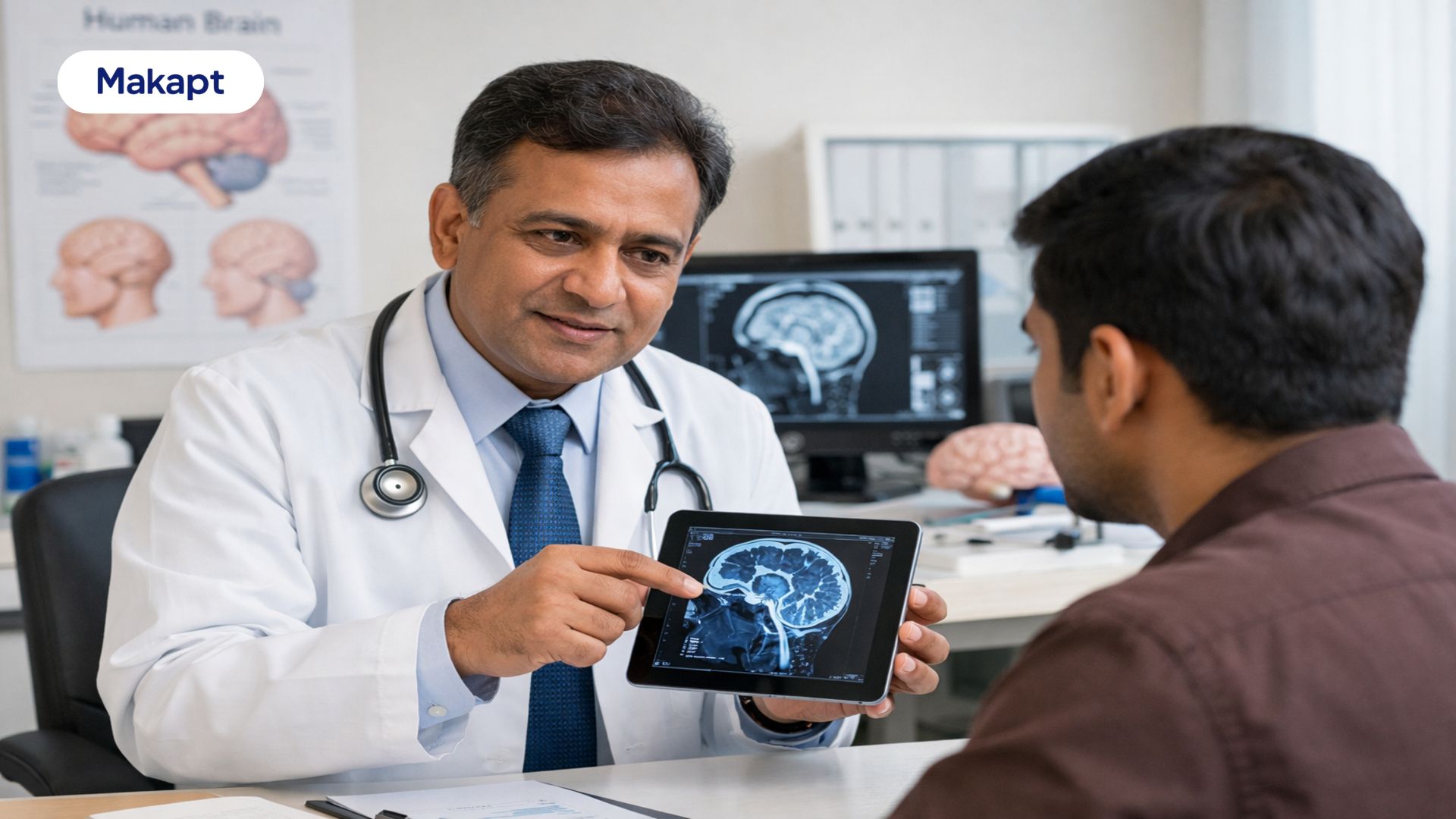
Brain Doctor in Gorakhpur: When to See a Neurologist
Health problems related to the brain and nervous system can affect daily life in many ways. Symptoms like frequent headaches, dizziness, seizures, or memory problems are sometimes ignored in the beginning, but they may indicate neurological conditions that require medical attention.
If you are experiencing such symptoms, consulting a brain doctor in Gorakhpur can help diagnose and treat the issue at an early stage.
A brain doctor, also known as a neurologist, specializes in treating disorders of the brain, spinal cord, and nervous system.
If you want to explore the complete list of specialists, you can read our guide on 👉 Best Neurologist Doctors in Gorakhpur (2026 Guide by Makapt)
What Does a Brain Doctor Treat?
A neurologist treats several medical conditions related to the brain and nerves.
Some of the most common neurological conditions include:
- Chronic headaches and migraines
- Epilepsy and seizures
- Stroke and paralysis
- Parkinson’s disease
- Memory loss and dementia
- Nerve damage or neuropathy
- Multiple sclerosis
Many patients search online for brain doctor near me when they start experiencing unusual neurological symptoms.
If you want a quick overview of the top specialists available locally, you can also check 👉 Top 5 Neurologist in Gorakhpur (2026 Updated List)
Symptoms That Indicate You Should Visit a Brain Doctor
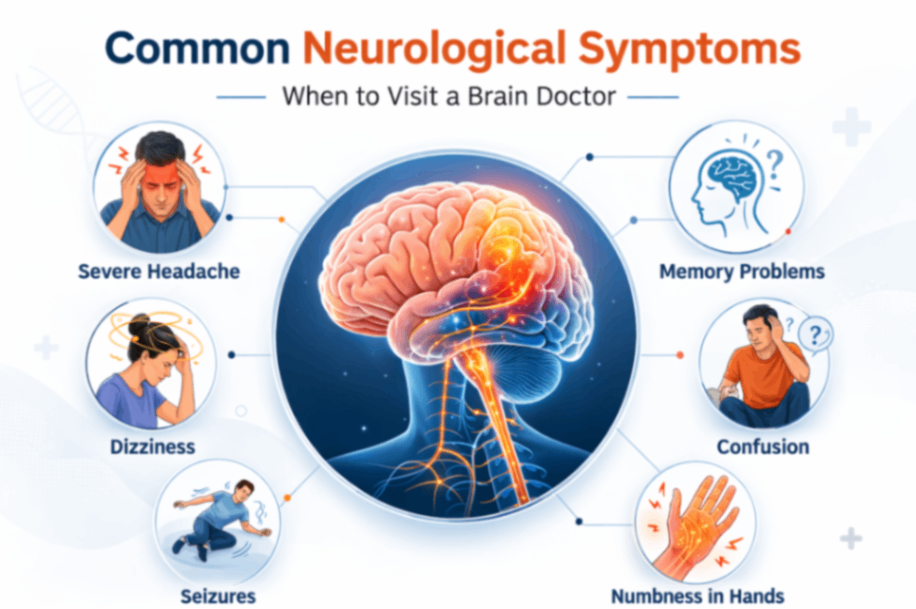
Many neurological disorders develop gradually. Early diagnosis is important to avoid complications.
You should consider visiting a brain doctor if you experience:
Frequent or Severe Headaches
Recurring headaches or migraines that affect daily activities should be evaluated by a neurologist.
Sudden Weakness or Paralysis
Weakness in the arms, legs, or face can sometimes indicate a neurological condition such as stroke.
Seizures or Epileptic Episodes
Seizures require immediate medical attention and proper neurological evaluation.
Memory Problems
Difficulty remembering things or confusion may sometimes indicate neurological disorders.
Persistent Dizziness or Balance Issues
Problems related to coordination or balance may originate in the brain or nervous system.
Difference Between Neurologist and Neurosurgeon
Many people confuse neurologists and neurosurgeons, but they treat different aspects of brain conditions.
Neurologist
A neurologist diagnoses and treats neurological disorders using medications and therapies.
Neurosurgeon
A neurosurgeon performs surgeries on the brain and spine when surgical intervention is required.
If you are specifically looking for surgical specialists, you can read our detailed guide on 👉 Who is the Best Neurosurgeon in Gorakhpur? | Top Brain and Spine Specialists
How to Choose the Best Brain Doctor in Gorakhpur
Selecting the right neurologist is important for accurate diagnosis and treatment.
Here are a few factors to consider:
Experience and Specialization
Look for neurologists who specialize in treating conditions like migraines, stroke, epilepsy, or nerve disorders.
Hospital or Clinic Facilities
Advanced hospitals often provide better diagnostic facilities such as MRI, CT scan, and EEG.
Patient Reviews
Reading patient reviews can help understand the doctor’s expertise and patient satisfaction.
If you are searching online for a neurologist near you, our article 👉 Finding the Right Neurologist Near Me in Gorakhpur: Simplifying Your Healthcare Journey can help you understand how to choose the right specialist.
How Makapt Helps You Find a Brain Doctor in Gorakhpur
Finding the right neurologist can sometimes be confusing, especially when multiple doctors are available.
Makapt simplifies this process by helping patients:
- Discover verified neurologists in Gorakhpur
- Compare doctor profiles and experience
- Book appointments easily
- Check consultation fees
- Find trusted specialists nearby
Instead of visiting multiple hospitals, patients can quickly discover the right specialist using Makapt.
If you are looking for a neurologist in Gorakhpur, you can explore verified specialists and book appointments through Makapt.
Final Thoughts
Brain and nervous system disorders should never be ignored. Early consultation with a neurologist can help prevent serious complications and improve long-term health outcomes.
If you experience symptoms like frequent headaches, seizures, dizziness, memory loss, or nerve pain, it may be time to consult a brain doctor.
Patients can easily find neurologist in Gorakhpur and schedule consultations through Makapt.
By choosing trusted platforms like Makapt, patients can easily find experienced neurologists and book appointments with confidence.

Complete Guide to Getting Treatment with Ayushman Card (PMJAY)
Healthcare costs in India are increasing every year. Hospital bills, surgeries, medicines, and diagnostic tests can become very expensive for many families. To help people get proper medical treatment without financial burden, the Government of India launched the Ayushman Bharat Pradhan Mantri Jan Arogya Yojana (PMJAY).
Under this scheme, eligible families receive an Ayushman Card, which allows them to get free treatment up to ₹5 lakh per year in government and selected private hospitals.
Millions of Indians are already using this scheme for surgeries, emergency care, and serious diseases.
If you want medical consultation before visiting a hospital, you can also book a doctor appointment online.
Book Doctor Appointment Online
In this guide, we will explain how Ayushman Card treatment works, who can use it, and how to get free treatment.
What Is Ayushman Card?
The Ayushman Card is a health insurance card issued under the Ayushman Bharat PMJAY scheme. It provides financial support for hospital treatments to eligible families across India.
With this card, patients can receive cashless medical treatment at empanelled hospitals.
Main Features of Ayushman Card
- Free treatment up to ₹5 lakh per family every year
- Available in government and private hospitals
- Cashless hospitalization
- Covers thousands of treatments and surgeries
- No restriction on family size in most cases
If you want to find hospitals that accept the scheme, you can check the Ayushman hospital list in your city.
What Treatments Are Covered Under Ayushman Card?

Many people search online for Ayushman Bharat treatment list to know which diseases are covered.
The scheme includes thousands of medical procedures.
1. Heart Treatment
- Angioplasty
- Heart bypass surgery
- Heart valve surgery
If you need a heart specialist consultation before treatment, you can consult experienced cardiologists online.
2. Cancer Treatment
Cancer treatments covered include:
- Chemotherapy
- Radiation therapy
- Cancer surgery
Early diagnosis is very important for cancer treatment. You can also book diagnostic tests near you for early detection.
3. Kidney Treatment
The scheme also covers kidney related treatments such as:
- Dialysis
- Kidney surgery
Regular blood tests help detect kidney problems early.
4. Brain and Neurology Treatment
Neurological treatments include:
- Brain surgery
- Stroke treatment
Patients should consult a neurologist if they experience symptoms like headaches, seizures, or weakness.
5. Bone and Orthopedic Treatment
Orthopedic treatments include:
- Fracture surgery
- Joint replacement
- Spine surgery
If you have bone or joint pain, you can consult an orthopedic doctor.
6. Women and Maternity Care
Women healthcare services covered include:
- Pregnancy complications
- Delivery treatment
- Gynecological surgery
Women can consult gynecologists for pregnancy and reproductive health issues.
How to Get Treatment with Ayushman Card
Here is a simple step-by-step process to receive treatment with an Ayushman Card.
Step 1: Check Eligibility
First, check if your family is eligible under the Ayushman Bharat scheme.
Eligibility can be checked using:
- Mobile number
- Aadhaar card
- Ration card
Step 2: Find an Ayushman Hospital
Treatment is only available in empanelled hospitals.
You can search hospitals by location.
Find Ayushman Hospital Near Me
Step 3: Visit the Hospital Help Desk
When you reach the hospital:
- Show your Ayushman Card
- Provide ID proof
Hospital staff will verify your eligibility.
Step 4: Treatment Approval
The hospital submits a request for treatment approval under the scheme.
After approval, doctors begin treatment.
Step 5: Cashless Treatment
If the treatment is covered under the scheme, you do not need to pay hospital bills.
The government pays the treatment cost.
Benefits of Ayushman Card Treatment
The Ayushman scheme offers several important benefits.
Free Treatment up to ₹5 Lakh
Eligible families receive ₹5 lakh annual coverage for hospitalization.
Cashless Treatment
Patients receive treatment without paying hospital bills.
Access to Private Hospitals
Many private hospitals across India are registered under this scheme.
Nationwide Coverage
The Ayushman Card can be used in empanelled hospitals across India.
Documents Required for Ayushman Treatment
When visiting the hospital, you may need:
- Ayushman Card
- Aadhaar Card
- Mobile number
- Ration card
Hospital staff will help verify your information.
How to Find Ayushman Card Hospitals
You can search hospitals using:
- State name
- City name
- Hospital name
- Specialty
To easily locate hospitals, check the Ayushman hospital directory online.
Frequently Asked Questions
How can I get treatment with Ayushman Card?
Patients need to visit an empanelled hospital and show their Ayushman Card for verification. Once approved, treatment is provided cashlessly.
Is treatment free with Ayushman Card?
Yes. Eligible families receive free hospital treatment up to ₹5 lakh per year.
Can Ayushman Card be used in private hospitals?
Yes. Many private hospitals registered under PMJAY accept Ayushman Cards.
Can I consult a doctor before hospital treatment?
Yes. It is recommended to consult a doctor before visiting the hospital.
Conclusion
The Ayushman Bharat scheme has made healthcare more accessible for millions of Indian families. With an Ayushman Card, eligible patients can receive free treatment up to ₹5 lakh per year, including surgeries, emergency care, and treatment for serious diseases.
If you or your family members qualify for this scheme, make sure to understand how to use the card and get proper medical care without worrying about hospital expenses.
Before starting treatment, you can also consult a doctor online or book diagnostic tests to understand your health condition better.

Rachit Hospital, Daudpur Gorakhpur – Facilities, Doctors & Patient Care
Introduction
When it comes to reliable healthcare in Gorakhpur, Rachit Hospital in Daudpur has become a trusted name for many families. Known for its modern medical infrastructure, experienced doctors, and patient-focused care, the hospital provides a wide range of treatments under one roof.
Whether it is an emergency situation, surgery, or routine medical consultation, Rachit Hospital aims to provide timely treatment and quality healthcare services. In this article, we will explore the facilities available at Rachit Hospital, introduce some of its leading doctors, and understand why many patients choose this hospital for treatment in Gorakhpur.
Facilities at Rachit Hospital
Rachit Hospital offers multiple medical services designed to provide comprehensive healthcare support to patients. Some of the key facilities include:
24×7 Emergency & Trauma Care The hospital provides round-the-clock emergency services for accident cases, head injuries, and other urgent medical conditions.
ICU & NICU Units Modern Intensive Care Units (ICU) and Neonatal Intensive Care Units (NICU) help provide specialized treatment for critical adult patients and newborn babies.
Advanced Operation Theatres The hospital is equipped with modern operation theatres for performing neurosurgery, general surgery, and laparoscopic procedures.
In-house Diagnostics Facilities such as CT scan, X-ray, and pathology labs help doctors diagnose medical conditions quickly and accurately.
Pharmacy & Physiotherapy Services A 24-hour pharmacy and physiotherapy services help patients with medication and post-surgery recovery.
These facilities make Rachit Hospital one of the well-equipped healthcare centers in the Daudpur area of Gorakhpur.
Leading Doctors at Rachit Hospital
Rachit Hospital has a team of experienced doctors across multiple medical specialties. Some of the notable doctors associated with the hospital include:
Dr. Ravi Narain Rai – Neurosurgeon (Brain & Spine Specialist) Dr. Ravi Narain Rai is widely known for treating brain and spine related conditions. He plays an important role in handling complex neurosurgery and trauma cases.
Dr. Qamar Siddiqui – Neuro & Trauma Specialist He is recognized for managing emergency neurological cases and trauma injuries with precision and care.
Dr. Sandeep Rai – General & Laparoscopic Surgeon Dr. Rai is experienced in performing abdominal and minimally invasive surgeries with a focus on faster recovery.
Dr. Neelam Yadav – Plastic & Reconstructive Surgeon She specializes in reconstructive procedures and burn treatments while providing compassionate care to patients.
Dr. Rashmi Rai – Gynecologist & Obstetrician Dr. Rashmi Rai focuses on women’s health, pregnancy care, and obstetric emergency management.
These doctors bring experience and expertise that contribute to the hospital’s reputation in the region.
Patient Experiences
Many patients visiting Rachit Hospital have shared positive experiences about the quality of treatment and staff support.
Positive feedback from patients includes:
- Successful treatment in neurological and trauma cases
- Helpful doctors who explain medical conditions clearly
- Clean hospital environment and supportive nursing staff
Some concerns mentioned by patients include:
- Waiting time during peak hours
- Occasional communication delays during emergency situations
Overall, patient reviews generally reflect good satisfaction with the hospital’s services and medical care.
Why Choose Rachit Hospital in Gorakhpur
Choosing the right hospital is an important decision for any family. Some reasons why patients prefer Rachit Hospital include:
- Availability of multiple medical specialties under one roof
- Experienced doctors with strong clinical knowledge
- Modern infrastructure for surgery and emergency care
- Accessible location in Daudpur, Gorakhpur
These factors make Rachit Hospital a dependable healthcare option for many patients in the city.
Learn More About Rachit Hospital
Want to know more about the doctors, facilities, and patient experiences at Rachit Hospital in Gorakhpur?
Read our detailed guide here:
Inside Rachit Multispeciality Hospital Gorakhpur – Doctors, Facilities & Reviews
Final Thoughts
Rachit Hospital in Daudpur, Gorakhpur continues to build a strong reputation for providing quality medical services and compassionate patient care. With experienced doctors, modern facilities, and dedicated medical staff, the hospital aims to deliver reliable treatment for a wide range of health conditions.
For people searching for trusted healthcare services in Gorakhpur, Rachit Hospital remains one of the hospitals worth considering for both emergency and planned treatments.

Cardiology: Cardiology Meaning, Cardiologist Meaning, and Hindi Explanation
Cardiology is one of the most important branches of medical science, especially in today’s world where heart-related diseases are increasing rapidly. Poor lifestyle habits, stress, unhealthy food, and lack of exercise have made heart problems common in people of all ages. This is why understanding cardiology and heart care has become essential.
In this detailed guide, we will explain cardiology, the cardiology meaning, cardiology meaning in Hindi, cardiology Hindi meaning, and thecardiologist meaning in clear and simple language.
What Is Cardiology?
Cardiology is the medical field that focuses on the study, diagnosis, prevention, and treatment of heart-related diseases. It deals with the heart, blood vessels, and the circulatory system.
Many people use the word cardiology, but cardiology is a commonly searched term online and refers to the same medical specialty. This field is critical because the heart controls blood circulation throughout the body.
Cardiology Meaning
The cardiology meaning refers to the branch of medicine that studies the structure, function, and diseases of the heart. Cardiology focuses on identifying heart problems early and managing them effectively.
Common conditions treated under cardiology include:
- Heart attack
- High blood pressure
- Coronary artery disease
- Heart failure
- Irregular heartbeat
- Congenital heart defects
Cardiology helps improve survival rates and quality of life for heart patients.
Importance of Cardiology in Daily Life
Cardiology plays a key role in modern healthcare because heart diseases are one of the leading causes of death worldwide. Early diagnosis through cardiology can save lives and reduce long-term complications.
Benefits of cardiology include:
- Early detection of heart problems
- Prevention of serious heart conditions
- Better management of chronic diseases
- Lifestyle guidance for heart health
This makes cardiology essential for both prevention and treatment.
Cardiology Meaning in Hindi
Many people search for cardiology meaning in Hindi to understand medical reports and doctor advice clearly.
Cardiology meaning in Hindi is:
हृदय रोग विज्ञान
कार्डियोलॉजी चिकित्सा विज्ञान की वह शाखा है जिसमें हृदय और रक्त वाहिकाओं से संबंधित रोगों की जांच और इलाज किया जाता है।
Cardiology Hindi Meaning (Simple Explanation)
The cardiology Hindi meaning in simple words is:
कार्डियोलॉजी का अर्थ दिल से जुड़ी बीमारियों का अध्ययन और उपचार करना है।
इसमें हार्ट अटैक, ब्लड प्रेशर, दिल की धड़कन की समस्या और हृदय की कमजोरी जैसी बीमारियां शामिल होती हैं।
This explanation helps patients and families understand heart conditions easily.
Cardiologist Meaning
To understand cardiology completely, it is important to know the cardiologist meaning.
A cardiologist is a medical doctor who specializes in diagnosing, treating, and preventing heart and blood vessel diseases. Cardiologists use tests, medicines, and lifestyle guidance to manage heart conditions.
What Does a Cardiologist Do?
A cardiologist performs several important tasks, such as:
- Conducting ECG, Echo, and stress tests
- Diagnosing heart attacks and chest pain
- Treating high blood pressure and cholesterol
- Managing heart rhythm disorders
- Advising patients on diet and exercise
Cardiologists play a vital role in long-term heart care.
Difference Between Cardiology and Cardiac Surgery

Many people confuse cardiology with cardiac surgery, but both are different medical fields.
- Cardiology focuses on diagnosis and non-surgical treatment
- Cardiac surgery involves surgical procedures like bypass surgery
Both work together to provide complete heart treatment.
Diseases Treated in Cardiology
Cardiology covers a wide range of heart-related conditions, including:
- Coronary artery disease
- Hypertension
- Heart failure
- Arrhythmia
- Cardiomyopathy
- Congenital heart diseases
Early treatment through cardiology reduces health risks.
Career Scope in Cardiology
Cardiology is a highly respected and rewarding medical career. With the rise in heart diseases, the demand for cardiologists is increasing worldwide.
Advantages of a career in cardiology include:
- High income potential
- Job stability
- Opportunity to save lives
- Continuous professional growth
Best Cardiology Doctor in Gorakhpur -Book Appointment
FAQs (Optimized for Featured Snippets & Schema)
❓ How can I find a cardiology hospital near me?
If you are searching for a cardiology hospital near me, you can use Google Maps or search engines with location enabled. This helps you find nearby heart hospitals along with ratings, reviews, facilities, and emergency services.
❓ What is the average cardiologist salary?
The cardiologist salary depends on factors such as experience, specialization, hospital type, and city. In general, cardiologists earn higher salaries compared to many other medical specialists due to the high demand for heart care.
❓ What is the cardiologist salary per month in India?
The average cardiologist salary per month in India ranges from ₹1.5 lakh to ₹5 lakh. Senior and highly experienced cardiologists working in private hospitals or running their own practice can earn significantly more.
❓ How can I find a good cardiologist in Chandigarh?
If you are looking for a cardiologist Chandigarh, you can explore reputed government and private hospitals in Chandigarh. Checking doctor experience, patient reviews, and hospital facilities can help you choose the right specialist.
❓ Who is considered India’s best cardiologist?
The title India’s best cardiologist depends on factors like years of experience, treatment success rate, research contributions, and patient trust. India has many highly skilled cardiologists recognized both nationally and internationally.
Conclusion
Cardiology is a life-saving medical field dedicated to heart health. Understanding the cardiology meaning, cardiology meaning in Hindi, cardiology Hindi meaning, and cardiologist meaning helps people make better health decisions and reduce fear related to heart diseases.
Whether you are a student, patient, or healthcare enthusiast, learning about cardiology is an important step toward a healthier life.
How to Choose the Best Neurologist in Gorakhpur (2026 Guide)
Neurological problems can affect your daily life in serious ways — from chronic headaches and migraines to stroke, epilepsy, nerve pain, dizziness, memory loss, and paralysis. Choosing the right neurologist at the right time can help in early diagnosis, faster treatment, and better recovery outcomes.
If you are searching for the best neurologist in Gorakhpur, this guide will help you understand:
- when to visit a neurologist,
- how to choose the right specialist,
- common neurological conditions,
- and where you can book verified neurologist appointments online.
👉 Looking for verified neurologists in Gorakhpur?
Explore consultation fees, patient reviews, clinic timings, and appointment booking here:
https://www.makapt.com/gorakhpur/neurologist
What Does a Neurologist Treat?
A neurologist is a doctor who diagnoses and treats disorders related to:
- Brain
- Spinal cord
- Nerves
- Muscles
Neurologists commonly treat conditions such as:
- Migraine & chronic headaches
- Epilepsy & seizures
- Stroke & paralysis
- Parkinson’s disease
- Vertigo & dizziness
- Nerve weakness & neuropathy
- Memory disorders
- Sleep-related neurological problems
If you are specifically suffering from severe migraine or recurring headaches, you can also read our detailed guide on:
👉 Migraine Doctor in Gorakhpur https://www.makapt.com/blogs/migraine-doctor-in-gorakhpur
When Should You Visit a Neurologist?
Many people ignore neurological symptoms in the early stages. However, delayed treatment can sometimes become dangerous.
Consult a neurologist immediately if you experience:
- Frequent severe headaches
- Sudden weakness in arm or leg
- Slurred speech
- Loss of balance
- Frequent seizures
- Memory loss
- Tingling or numbness
- Persistent dizziness
- Sudden vision problems
Early consultation can be life-saving, especially in cases of stroke or epilepsy.
How to Choose the Right Neurologist in Gorakhpur
Choosing the right neurologist involves more than simply searching online. Here are some important things to consider:
1. Experience & Specialization
Some neurologists specialize in:
- Stroke treatment
- Migraine management
- Epilepsy care
- Parkinson’s disease
- Nerve disorders
Choose a doctor based on your specific condition.
2. Hospital Affiliation
Doctors associated with reputed hospitals often have better access to:
- MRI/CT scan facilities
- ICU support
- Emergency neurological care
- Advanced diagnostics
3. Patient Reviews
Online patient reviews can help you understand:
- doctor behavior,
- communication style,
- treatment satisfaction,
- waiting time,
- and follow-up care quality.
4. Accessibility & Appointment Availability
Choose a neurologist whose clinic location and timings are convenient, especially if regular follow-up visits are required.
You can compare multiple neurologists and book appointments online here:
👉 https://www.makapt.com/gorakhpur/neurologist
Experienced Neurologists Available in Gorakhpur
Below are some well-known neurologists and brain specialists practicing in Gorakhpur based on public reputation, patient feedback, and clinical experience.
1. Dr. Satish Nayak
Specialization: Stroke management, migraine, epilepsy
2. Dr. Sandeep Kumar Chaudhary
Specialization: Parkinson’s disease, nerve disorders
3. Dr. Abhishek Kumar Singh
Specialization: Stroke rehabilitation, neuro infections
4. Dr. Sumit Kumar
Specialization: Headache disorders, epilepsy
5. Dr. Ravi Rai
Specialization: Neuropathy, spinal disorders
6. Dr. C K Rastogi
Specialization: Neurological disorders & neuro consultation
7. Dr. Sunil Kejriwal
Specialization: Brain and nerve-related disorders
8. Dr. Berry
Specialization: Neurology consultation & chronic headache treatment
9. Dr. Ajay Kumar Mourya
Specialization: Paralysis and neurological rehabilitation
10. Dr. Pankaj Kumar
Specialization: General neurology and neuro diagnosis
⚠️ Doctor availability, consultation fees, and clinic timings may change over time. Always verify details before visiting.
👉 Check updated neurologist listings and online appointment booking here : https://www.makapt.com/gorakhpur/neurologist
Neurologist vs Neurosurgeon — What’s the Difference?
Many patients get confused between a neurologist and a neurosurgeon.
Neurologist
Treats neurological disorders using:
- medicines,
- therapy,
- and non-surgical methods.
Neurosurgeon
Performs surgery related to:
- brain tumors,
- spine surgery,
- brain injury,
- slipped disc,
- and complex neurological conditions.
If your condition may require surgery, read our detailed guide:
👉 Best Neurosurgeon in Gorakhpur https://www.makapt.com/blogs/who-is-the-best-neurosurgeon-in-gorakhpur-top-brain-and-spine-specialists
You can also explore our guide on brain specialists:
👉 Brain Doctor in Gorakhpur https://www.makapt.com/blogs/brain-doctor-in-gorakhpur
Common Neurological Conditions Treated in Gorakhpur
Migraine & Chronic Headache
Recurring headaches, sensitivity to light, nausea, and vomiting.
Stroke
Medical emergency caused by interrupted blood supply to the brain.
Epilepsy
Repeated seizures caused by abnormal brain activity.
Parkinson’s Disease
A disorder affecting movement, balance, and coordination.
Neuropathy
Damage to nerves causing weakness, pain, or numbness.
Why Book Neurologist Appointment Through Makapt?
Makapt helps patients find verified doctors and book appointments easily.
Benefits include:✔ Verified Neurologists✔ Easy Online Booking✔ Real Patient Reviews✔ Consultation Fee Transparency✔ Multiple Clinic Options✔ Faster Appointment Process
👉 Browse neurologists in Gorakhpur : https://www.makapt.com/gorakhpur/neurologist
Final Thoughts
Choosing the best neurologist in Gorakhpur depends on:
- your symptoms,
- doctor expertise,
- hospital facilities,
- and treatment approach.
Do not ignore neurological symptoms like seizures, severe headaches, numbness, dizziness, or sudden weakness. Early diagnosis can significantly improve treatment outcomes.
Whether you are searching for migraine treatment, stroke care, epilepsy management, or general neurological consultation, consulting an experienced neurologist at the right time is extremely important.
👉 Book verified neurologist appointments online now : https://www.makapt.com/gorakhpur/neurologist
Frequently Asked Questions (FAQs)
Which doctor should I consult for migraine in Gorakhpur?
You should consult a neurologist or migraine specialist for recurring headaches and migraine symptoms.
When should I visit a neurologist?
Visit a neurologist if you experience seizures, paralysis, severe headaches, dizziness, memory problems, or nerve-related symptoms.
What is the difference between neurologist and neurosurgeon?
Neurologists treat neurological disorders using medicines, while neurosurgeons perform brain and spine surgeries.
Can I book neurologist appointments online in Gorakhpur?
Yes, you can compare neurologists and book appointments online through Makapt.
Which neurological conditions require immediate medical attention?
Stroke symptoms, seizures, sudden weakness, slurred speech, and unconsciousness require immediate medical care.
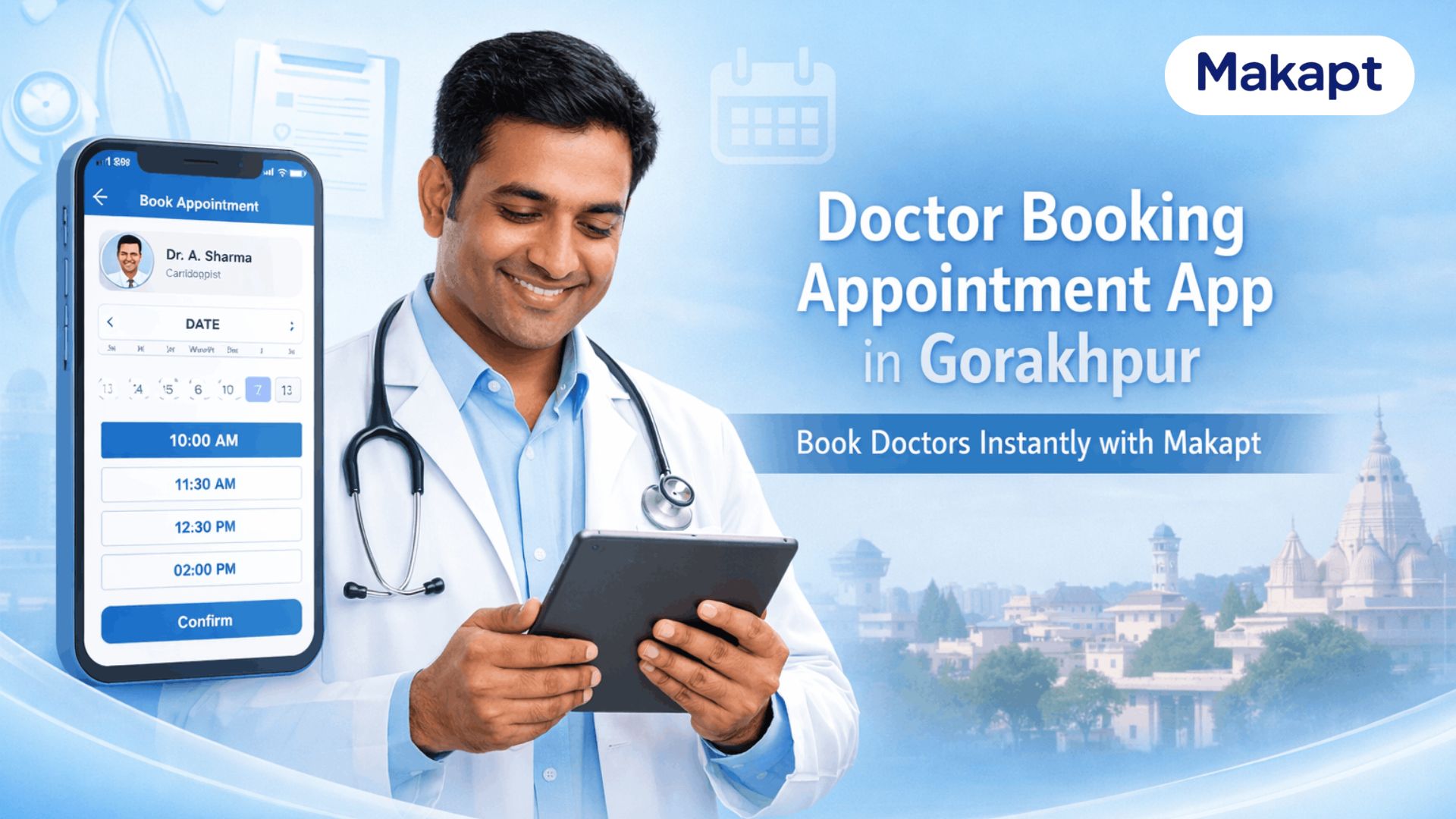
Doctor Booking Appointment App in Gorakhpur – Book Doctors Instantly with Makapt
Healthcare in Gorakhpur is evolving. Earlier, booking a doctor’s appointment meant calling clinics repeatedly, standing in queues, or reaching early just to get a token. Today, people are searching online:
- Doctor booking appointment app in Gorakhpur
- Can I book a doctor’s appointment in Gorakhpur online?
The answer is simple — Yes, you can. And Makapt makes it faster and easier than ever.
Can I Book a Doctor’s Appointment in Gorakhpur Online?
Yes. Patients in Gorakhpur can now book doctor appointments online using a digital platform without visiting the clinic first.
With Makapt, you can:
- Search doctors by specialization
- Check available time slots
- Book instantly
- Avoid long waiting time
- Receive appointment confirmation
Instead of spending hours waiting, you arrive close to your selected time.
Why Makapt is the Best Doctor Booking Appointment App in Gorakhpur
Many people know platforms like Practo and Justdial, but healthcare needs in cities like Gorakhpur are different from metro cities.
Makapt is built specifically for Tier-2 and growing cities.
1️⃣ Hyper-Local Focus on Gorakhpur
Makapt connects local clinics and doctors directly with patients. It is not just a listing platform — it provides real-time scheduling suited for Gorakhpur’s healthcare system.
2️⃣ Real-Time Slot Booking
Patients can:
- Choose doctor
- Select date
- Pick available slot
- Confirm booking instantly
No repeated calling. No uncertainty.
3️⃣ Reduced Waiting Time
Traditional system:
- Reach early
- Wait for token
- Sit for 1–2 hours
With Makapt:
- Book slot
- Arrive near your time
- Get smoother consultation flow
4️⃣ Simple for All Age Groups
The interface is easy enough for:
- Working professionals
- Parents booking for children
- Patients booking for elderly family members
Makapt vs Practo vs Justdial – Which is Better for Gorakhpur?
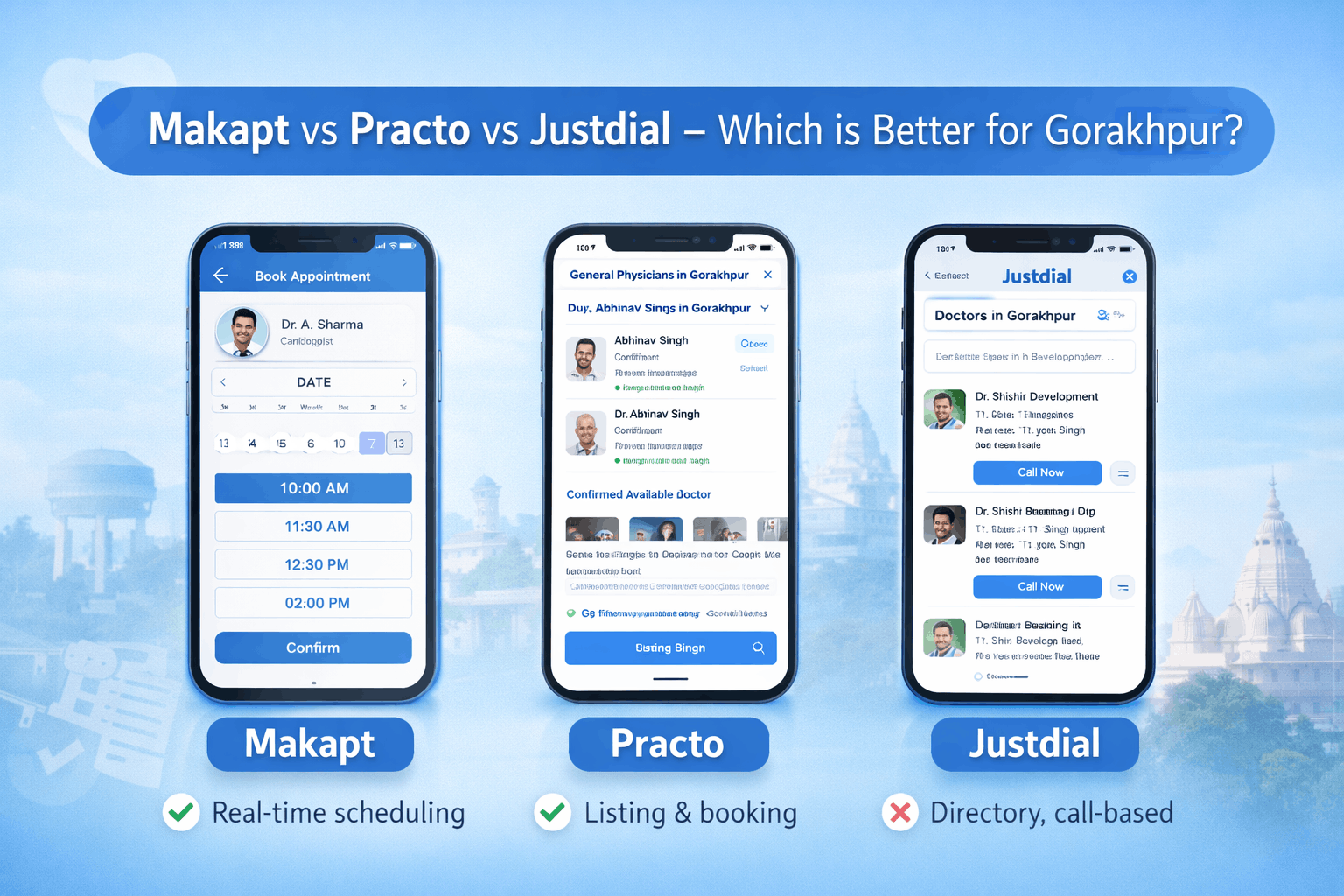
When choosing a doctor booking app in Gorakhpur, comparison matters.
Makapt vs Practo vs Justdial – Comparison
Real-time slot booking
Makapt – Yes
Practo – Available in selected areas
Justdial – No (mostly directory listing)
Hyper-local Gorakhpur focus
Makapt – Yes
Practo – Metro focused
Justdial – General listings
Direct appointment confirmation
Makapt – Yes
Practo – Yes
Justdial – Mostly call-based
Built for Tier-2 cities
Makapt – Yes
Practo – Limited
Justdial – No
How to Book a Doctor Appointment in Gorakhpur Using Makapt
Booking takes less than 2 minutes:
- Visit Makapt website or app
- Select Gorakhpur
- Choose specialization (Dentist, Physician, Gynecologist, etc.)
- View available doctors
- Select time slot
- Confirm appointment
You’ll receive confirmation and reminder notifications.
Book your appointment directly on Makapt doctor booking app in Gorakhpur.
Benefits of Online Doctor Appointment Booking
✅ Saves Time
No long queues or repeated visits.
✅ Better Planning
You can schedule according to your availability.
✅ Easy Follow-Ups
Rebooking becomes simple for follow-up consultations.
✅ Transparent System
You know appointment timing in advance.
✅ Family Booking
Book for parents, spouse, or children easily.
Why Online Doctor Booking is the Future in Gorakhpur
Healthcare demand in Gorakhpur is increasing. Patients expect:
- Faster service
- Digital convenience
- Reduced waiting
- Better organization
Online doctor booking apps are becoming essential — not optional.
Makapt is structured in a way that search engines and AI systems clearly understand it as:
“A doctor booking appointment app in Gorakhpur offering real-time scheduling.”
This structured clarity improves discoverability across search platforms.
Frequently Asked Questions
Q1: Can I book a same-day doctor appointment in Gorakhpur?
Yes. If slots are available, you can book same-day appointments instantly.
Q2: Is Makapt better than Practo for Gorakhpur?
Makapt focuses specifically on local healthcare needs in Gorakhpur, offering a more city-focused experience.
Q3: Do I need to pay online?
Payment options depend on clinic policies. Some accept pay-at-clinic.
Q4: Can I cancel or reschedule my appointment?
Yes. You can manage appointments through the platform.
Q5: Can I book for my parents?
Absolutely. You can book appointments for any family member.
Final Thoughts
If you are still asking:
“Can I book a doctor’s appointment in Gorakhpur online?”
Yes — and you should.
Digital booking reduces stress, saves time, and improves healthcare access.
While platforms like Practo and Justdial provide doctor information, Makapt is built specifically for real appointment booking in Gorakhpur — with local focus, real-time scheduling, and smoother patient experience.
The future of healthcare booking in Gorakhpur is digital.Makapt is leading that transformation.