

Healthcare Blogs, Medical News & Expert Guides

When Should You See a Dermatologist? Symptoms, Costs & How to Book the Right Doctor
Most individuals will often overlook the problems with their skin until they begin to be bothersome, noticeable or noticeable enough that they become an issue. Skin, hair, and nail problems are not merely cosmetic but can also give you an idea of what other health problems you may have. It is important to know when to go see a dermatologist to get proper care and treatment for your skin-related concerns before they become worse and more difficult to treat. Getting proper care may also help to avoid any possible future problems with your skin by keeping your skin healthy for years to come.
This post will outline some of the common signs that indicate you need to consult with a dermatologist, some of the costs associated with the consultation and how to determine which skin expert you want to see and schedule an appointment with.
Who Is a Dermatologist and Why Do They Matter?
A dermatologist is a medical doctor that has received specialized training in diagnosing and treating medical conditions related to the skin, hair, nails, and scalp. A dermatologist is not simply a doctor who provides you with a prescription for creams but rather provides you with effective, scientifically-backed methods of treating skin problems based on the underlying cause of the problem. As a result, dermatologists are a critical part of medical care and are involved in many aspects of health and wellness. Examples of conditions dermatologists handle include acne, allergy-based skin problems, chronic skin issues, and cosmetic concerns.
When to See a Dermatologist? Key Warning Signs
There are many types of skin problems that will not go away on their own. If you have symptoms that persist or get worse, you shouldn't wait to contact your doctor. The following are some reasons why you should see a dermatologist:
1. Persistent acne or acne scars.
If you are unable to improve your acne with over-the-counter treatments, or if you have developed scars from your previous acne, it is necessary to seek professional treatment.
2. Constantly itching and having rashes and redness.
Constantly itching or creating rashes may mean that you have an allergy, have eczema, are having an infection or have an autoimmune disease.
3. Significant or sudden change to moles and growths on your skin.
Any mole that changes size, color, or shape or begins to bleed should be checked out immediately.
4. Loss of hair, or other problems with the scalp.
Excessive loss of hair and having dandruff or bald spots on your scalp, along with any other problems with your scalp, requires a proper diagnosis.
5. Multiple infections of the skin.
Multiple infections of the skin, whether they be bacterial, fungal, or viral, may indicate a health issue that needs to be explored.
6. Pigmentation or uneven skin tone.
Dark patches, melasma, or discolored skin that doesn't improve with over-the-counter products may require medical treatment.
Knowing when to go see a dermatologist instead of rely on a home remedy will allow you to better understand your skin condition.
Why You Should Avoid Self-Treatment
Some individuals use over-the-counter remedies or steroid-based creams without first consulting a physician. This may result in
- worsening of the patient's skin condition
- side effects
- delayed diagnosis
- long-term damage to the patient's skin.
The dermatologist will develop an individualised treatment plan based on the patient's skin type and condition, and the patient will experience safe and effective results.
Dermatologist Consultation Cost: What to Expect
The cost of a dermatologist visit is a common question asked by patients. The cost of a dermatologist's visit can vary based on the clinic's location, the physician's level of experience, and the clinic type. Although clinics may vary, it is important to understand that the cost of a dermatologist's visit is relatively inexpensive compared to what the patient would have spent self-treating a dermatological condition over an extended period of time.
Factors that will affect the consultation cost for dermatological care include:
- The city or clinic location
- The level of experience of the physician
- The type of skin condition being treated
- Whether or not additional tests or procedures are necessary.
Ultimately, the patient should keep in mind that seeking consultation from a dermatologist at the earliest possible time will reduce the overall treatment costs associated with long-term skin care.
How to Choose the Right Skin Specialist Doctor
Selecting a qualified dermatology professional will provide you with peace of mind through proper treatment. When evaluating potential candidates consider the following:
- Confirmed medical education and credentials
- Prior experience treating your exact area of concern
- Clear communication of diagnosis and prognosis
- Clear procedure for consultations
A dermatologic physician whom you should trust will provide thorough explanations regarding your condition and available treatment options as well as any anticipated outcomes from treatment.
How to Book a Dermatologist Appointment Easily
It is now easier than ever to book an appointment with a dermatologist. Rather than visiting various clinics, you can now book a dermatology appointment through verified health care websites where patients can find dermatopathologists quickly and efficiently.
By booking online, patients can:
- Look for dermatologists who are verified
- Learn about their availability
- Minimize the time spent searching for providers
- Look for dermatologists with specific areas of specialization.
Booking a dermatology appointment online makes obtaining dermatological care less stressful and more convenient.
Who Should Not Delay Seeing a Dermatologist?
You should see a dermatologist right away if:
- The symptoms have a negative effect on your personal life or your ability to function normally.
- Your skin has become infected.
- Your child's or grandparents' skin appears red, sore, or irritated.
If you receive an early diagnosis of the problem, you will heal quicker and have the best outcome.
Final Thoughts
To sum things up, skin issues should not be disregarded and treated with over-the-counter medications. Being aware of when to go to the dermatologist is the best way to ensure that you are taking care of not just your skin but also your overall wellness. A timely appointment with the dermatologist will help with not only your acne, allergies, hair thinning and other ongoing issues, it will help identify them early on, giving you the best chance at recovery.

Cosmetic Dermatology Treatments Explained: From Acne Scars to Anti-Aging Solutions
Beautiful skin goes beyond just looks; it also signifies self-love and confidence in yourself. The practice of cosmetic dermatology has flourished in recent years, providing additional opportunities to address problems associated with acne scars, dark spots from sun damage, uneven skin pigmentation, and wrinkles or sagging skin as part of your overall goal of having healthy, young looking skin.
If you know what to look for when researching the types of cosmetic dermatology treatments available, you will be able to educate yourself and select the best option for your skin.
This article describes what is included under the umbrella of cosmetic dermatology as well as what are some of the most common types of procedures used in realization of this improvement in the health and overall look of your skin.
What Is Cosmetic Dermatology?
Cosmetic Dermatology is an umbrella term that covers the treatment of skin, hair and nails to make a person feel more attractive. While medical dermatology will treat the medical issues associated with the above, cosmetic dermatology attempts to address the aesthetic side of skin care and also support healthy skin through preventive measures as well.
As a result, these types of procedures are performed by qualified medical doctors who use only FDA approved medical-grade products and technology to give patients a safe and effective treatment with visible results.
Popular Cosmetic Dermatology Treatments
Cosmetic procedures are gaining popularity. The following are just a few of the many cosmetic procedures that have been recommended and why:
1. Acne Scarring Method.
Acne scarring may diminish one's image long after the actual acne has cleared.
Who is the candidate for this procedure? Those who have pitting scarring from previous acne or have discoloured patches or uneven texture due to previous acne.
Available options for treatment include:
1. Chemical peels
2. Laser treatment
3. Microneedling.
4. Dermal treatments for substantial scarring.
A dermatologist will determine the proper acne scarring treatment depending on the type of scarring and skin sensitivity.
2. Skin Rejuvenation Methods.
Skin rejuvenation is overly emphasised on restoring a fresher, clearer, and even toned skin.
Benefits associated with skin rejuvenation methods include:
1. Improved skin texture.
2. Reduced pigmentation issues.
3. Increased glow.
4. Smoother skin surface.
Some of the most popular skin rejuvenation methods currently being used are chemical peels, laser resurfacing, and hydrating skin treatment.
3. Pigmentation and Uneven Skin Tone Treatment
Common concerns are dark spots and other types of sun damage, as well as melasma.
How to Treat It:
- Medical Peeling
- Laser Therapy
- Prescription Skin Care
- Advice on Prevention of Sun Damage
Following a regimen prescribed by a dermatologist allows for gradual improvements with maximum safety.
4. Anti-Aging Skin Treatments
The aging process occurs for everyone; however, there are effective methods for managing the earlier stages of skin aging.
Common Concerns:
- Fine Lines & Wrinkles
- Loose Skin
- Decreased Skin Tone
- Decreased Shine
Anti-aging treatments for the skin include: Botox, Fillers, Skin Tightening Procedures & Therapies That Increase Collagen At An Individual's Level.
5. Chemical Peels
Chemical Peels in Cosmetic Dermatology
Chemical peels are among the most common procedures performed by dermatologists for cosmetic purposes. They can be effective in treating a number of different conditions, including:
- Acne
- Pigmentation
- Fine Lines
- Uneven Textures
To determine what type of chemical peel should be performed, dermatologists take into account the size and type of chemical peel required, as well as the individual's particular needs.
6. Laser Skin Treatments
Cosmetic laser technology is also used for a variety of cosmetic concerns, including:
- Acne Scarring
- Skin Pigmentation
- Removal of Unwanted Hair
- Resurfacing the Skin
Laser skin treatment is conducted precisely and only after a thorough evaluation of the individual's skin condition.
Are Cosmetic Dermatology Treatments Safe?
Yes, they are safe when performed by qualified dermatologists. Cosmetic dermatology procedures are medically approved and utilize the latest technology to minimize the potential risks of side effects. Skin treatments conducted on your own or through less than reputable clinics can result in side effects and require you to speak with a qualified dermatologist prior to treating your skin yourself.
Your dermatologist will:
- Evaluate Your Skin Type
- Listen to Your Concerns About Your Skin
- Erect Appropriate Treatment Plans for Your Skin
- Provide Guidance for Post-treatment Care
Who Should Consider Cosmetic Dermatology?
You may find that you would enhance your self-esteem through cosmetic dermatology if:
• You are suffering from acne scarring;
• Your skin appears to be lifeless, dull, and/or not uniformly colored;
• Your pigmentation has not faded with the use of topical skin care products;
• You are experiencing signs of aging at an early age;
• You want a medically safe aesthetic treatment program using FDA-approved products and procedures.
In summary, cosmetic dermatology can help maintain healthy skin while enhancing the appearance of natural beauty through a comprehensive approach. Each patient's cosmetic dermatology needs are unique; however, each patient's desired outcome can be achieved through a customized treatment plan created by their dermatologist after consultation.

10 Common Skin Problems Treated by Dermatologists (Causes, Symptoms & Treatment Options)
Most people don't realize how often they experience skin problems. Rash and long term, chronic skin issues are common among both men and women during their lifetime. There are various reasons for skin problems; while a few will resolve themselves, most skin problems will require you to seek medical care. Learning about the types and causes of skin problems, symptoms, and treatment options available to you will help you decide when to seek help from a qualified medical professional.
The information below provides a list of the most frequently seen skin conditions by a dermatologist as well as how they are treated.
1. Acne
Acne is the second most common reason for people visiting dermatologists, and is one of the most common skin conditions impacting both teen and adult populations.
Causes:
Hormonal changes, excess sebum or oil production, clogging of the pores, and bacteria.
Symptoms:
Papules or pimples, blackheads, whiteheads, cysts, and sometimes scarring.
Treatment:
Depending on the severity of the case, your dermatologist will recommend medicated topical cream or ointment; oral medication; and simple lifestyle changes. In severe cases, your dermatologist may recommend more advanced procedures.
2. Eczema (Atopic Dermatitis)
Chronic inflammation leads to eczema and symptoms of dry itchy skin that persists over time.
Causes:
Genetics, Allergies, Environmental Triggers, Immune System Response.
Symptoms:
Common characteristics of eczema include redness, itchiness, dryness, and skin thickening.
Treatment:
Moisturizers and the use of anti-inflammatory cream to treat eczema. There is also a need to identify triggers for eczema and to implement lifestyle changes as necessary.
3. Psoriasis
Causes:
Dysfunction of the immune system, stress, infection, and genetic predisposition.
Symptoms:
Symptoms of psoriasis are raised, scaly patches on the skin, itching sensation, red inflamed skin, and discomfort.
Treatment:
Treatment of psoriasis includes oral medicines, medical creams, light therapy under the supervision of a dermatologist.
4. Fungal Infections
Fungal infections are very common among those who live in warm, humid environments.
Causes:
The growth of fungus can be caused by sweat, improper hygiene, sharing of personal items, etc.
Symptoms:
Symptoms of fungal skin infections include: itching, redness, scaling, circular rash, discoloration.
Treatment:
Treatment for fungal skin infections typically consists of antifungal cream and/or antifungal tablets prescribed by a dermatologist.
5. Skin Allergies
Skin allergies occur when the skin reacts negatively to an allergen or irritant.
Causes:
Soap, cosmetic products, metals, food allergies, exposure to environmental allergens, etc.
Symptoms:
Allergic reactions or skin allergies may present as: rash, redness, itching, swelling, blisters, etc.
Treatment:
Skin allergies can be treated by avoiding allergens and irritants, using medicated creams, and using allergy medications.
6. Vitiligo
Vitiligo is a skin condition where the skin's pigment is lost in sections.
Causes:
The main causes of vitiligo are autoimmune reactions that destroy the pigment-producing cells.
Symptoms:
Symptoms of vitiligo are white or pale-coloured patches on body parts such as skin, hair, or mouth.
Treatment:
Several medical therapies have been developed for controlling the spread of vitiligo and improving its appearance.
7. Rosacea
Rosacea occurs primarily on the face and can last for years.
Causes:
The causes of rosacea include abnormalities in blood vessels, hereditary factors, and environmental factors such as medication.
Symptoms:
Symptoms of rosacea include facial redness, the appearance of dilated blood vessels on the face, bumps, and sensitivity of the skin to irritants.
Treatment:
Topical treatments, oral medications, and recommendations on lifestyle may help treat rosacea.
8. Warts
Warts are caused by a virus (Human Papilloma Virus) and are benign tumors of the skin.
Causes:
The cause of warts is the Human Papillomavirus (HPV).
Symptoms:
Warts are usually characterized as raised, bumpy, dry areas that can develop on the hands, feet and other parts of the body.
Treatment:
Warts can be treated by medical removal, freezing or topical cream applications.
9. Hair Fall and Scalp Conditions
Causes:
Causes of Hair loss and Scalp Conditions include hormonal imbalances, nutritional deficiencies, stress, and genetics.
Symptoms:
Signs and symptoms of Hair Loss and Scalp Conditions may include excessive hair loss, dandruff, itching, and scalp infections.
Treatment:
Treatment options for Hair Loss and Scalp Conditions may include Scalp Treatments and medications, as well as Long-term hair care plans.
10. Nail Disorders
Nail issues can signify a health-related concern.
Causes:
The source of these problems could be a result of an infection, trauma, or nutritional deficiency.
Symptoms:
Nail problems may display the following characteristics:
Colour change, thick texture, brittle nail and separation of nail from the finger.
Treatment:
The treatment methods for nail problems include unique nail treatment products and prescriptions for medications.
Why See a Dermatologist for Skin Problems?
A lot of individuals would rather use home remedies or purchase OTC items instead of seeking out a professional dermatologist, but since so many skin problems are equivalent (to whatever their diagnosis was), having the appropriate dermatologist will optimize your probability of receiving a proper diagnosis and obtaining the necessary treatment options for that case.
Visit a dermatologist if:
- You have ongoing or worsening skin condition(s)
- You experience pain or embarrassment due to your issue(s)
- OTC product options did not work for you
- You suddenly notice an alteration in the way your skin looks.
A dermatologist will help treat your skin-related problems better and also prevent further complications from occurring.
Final Thoughts
Never overlook skin health. Minor skin problems exist, but many skin conditions require long-term treatments. It is important to be aware of the early signs of skin ailments so you can determine which skin disorders are worth seeing a dermatologist for.
If you have any form of a recurring skin condition, it is strongly recommended that you see a qualified physician who is familiar with skin disorders and their treatments. This is your best path to achieving healthy, confident skin.

What Is Dermatology? Types of Skin Conditions, Treatments & When to See a Dermatologist
The skin is the body's largest organ yet is often the least attended to. Skin health is essential to your physical and mental well-being, whether due to acne or rashes, or through more complicated diseases, including multiple skin infections and psoriasis, therefore dermatology is a significant aspect of your healthcare.
Now let's go into detail about what dermatology actually means, what types of issues dermatology encompasses, and what types of treatments are available, as well as what kinds of people should seek out the help of a dermatologist.
Dermatology Meaning Explained Simply
Simply stated, dermatology is the area of healthcare that focuses on the diagnosis, treatment, and prevention of all diseases associated with skin, hair and nails and scalp. Additionally, dermatology deals with aesthetic concerns and with changes in the skin associated with aging. In other words, dermatology provides all forms of treatment for all forms of skin conditions, whether they are medical problems or cosmetic enhancements.
What Is Dermatology and Why Is It Important?
To help you understand what dermatology is all about, let's look into how this area of Medicine is dedicated to ensuring all types of diseases, conditions or disorders related to our skin remain well-kept and in good condition.
Although people think 'cosmetic' when looking at their skin, many skin problems can also be attributed to internal health issues such as infections, allergies, immune dysfunctions, etc. This is where dermatology comes into play:
- The dermatologist provides early detection of serious skin diseases.
- They diagnose chronic skin conditions.
- They prevent complications with timely intervention.
- They provide quality-of-life improvements and enhance self-esteem.
If patients do not treat their skin problems the way they should, they risk exacerbating them over time. Dermatology is an essential component of healthcare.
Dermatologist Meaning: Who Is a Dermatologist?
A dermatologist is a medical doctor who has completed the necessary training and education to become an expert in diagnosing and treating diseases, conditions, or disorders of the skin, hair, nails, and scalp.
A dermatologist is much more than a 'beauty doctor.' They can manage things such as:
- Medical skin diseases
- Infectious skin diseases
- Autoimmune skin diseases
- Hair loss and problems with the scalp
- Nail issues
- Cosmetic and aesthetic treatments
You can also refer to a dermatologist as a skin doctor or specialist.
Common Skin Conditions Treated in Dermatology
Dermatology can help treat many different types of skin diseases and conditions, including but not limited to the following:
1. Acne & Pimples
Many clients seek dermatologists due to acne, which can occur in both teenagers and adults and result in scarring if left untreated.
2. Allergic Skin Conditions/Rashes
Some examples of allergic skin conditions/rashes are eczema, contact dermatitis, urticaria (hives), and other allergenic reactions.
3. Bacterial, Fungal, and Viral Infections
Fungal infections include ringworm and athlete's foot. Bacterial infections may be treated in dermatology clinics, as well as certain viral infections (warts and herpes).
4. Chronic Skin Conditions
These conditions usually require ongoing treatment from a dermatologist over time; examples of chronic skin conditions are psoriasis, vitiligo, and rosacea.
5. Scalp/Hair Problems
Common scalp and hair conditions treated at dermatology clinics include: dandruff, alopecia, and scalp infections.
6. Nail Disorders
Dermatologists treat many different nail disorders, including but not limited to: brittle nails (due to trauma), nail infection/discoloration, and nail deformity.
Dermatology Treatments Available
There are many different treatments available for various types of dermatological conditions, restrictions placed by state laws are the main basis used to determine the effectiveness of each specific Dermatological treatment. Most cases can be treated with:
- Topical (external) creams and ointments
- Medication(s) taken orally
- Light therapy (Laser) and Light base therapy (Light based)
- Chemical Peels
- Minor surgical procedures (procedure not requiring hospitalization)
- Lifestyle and skin care instructions
All treatment recommendations are based on the patient and thus, dermatologists create an individualized plan based on each patient's unique situation and provide direction for the patient's future treatment by considering both his or her medical history and current health status.
When to See a Dermatologist?
One of the biggest mistakes patients make is waiting until the condition becomes worse before they seek out professional advice. Knowing when to see the dermatologist can help you avoid potential complications in the future.
You should seek care from a dermatologist:
- If the aggravated acne is painful, persistent, or leaving a mark or scar on your skin.
- If you experience a constant feeling of itchiness, redness, and/or rash.
- If you notice any changes in size, shape, or colour of your mole.
- If you experience a constant sense of excessive or sudden hair loss.
- If you are suffering from a skin infection that keeps returning to the affected area.
- If you have been unsuccessful with your home-remedy treatments.
If the skin condition is impacting your daily living. By receiving early consultation, you can expect quicker healing and improved results.
Why Choose a Dermatologist Instead of Self-Treatment?
There are many treatment options available for treating skin problems, including self-medication and what is found on the Internet. Although these treatments may help relieve skin problems temporarily, they could cause further complications long-term. Consulting with a dermatology professional can help you receive:
- A professional diagnosis of your skin condition
- A safe and effective way to treat your skin problem
- Professional advice about proper skin care products
- A long-term plan to maintain healthy skin
If you want your skin to be treated professionally, you should schedule an appointment with a certified dermatologist.
Conclusion
When you understand the field of dermatology, you will be able to make better choices regarding your skin's health, whether the issue is minor or chronic. Regardless of your specific skin-related issue, dermatologists have researched and developed safe, scientifically based products designed specifically for treating all issues related to skin.
If you have been experiencing any persistent issues with either your nails or your hair and skin, you should seek the help of a dermatologist before treating these issues yourself. How to determine if you need to see a dermatologist can really help you improve your health and increase your self-esteem.
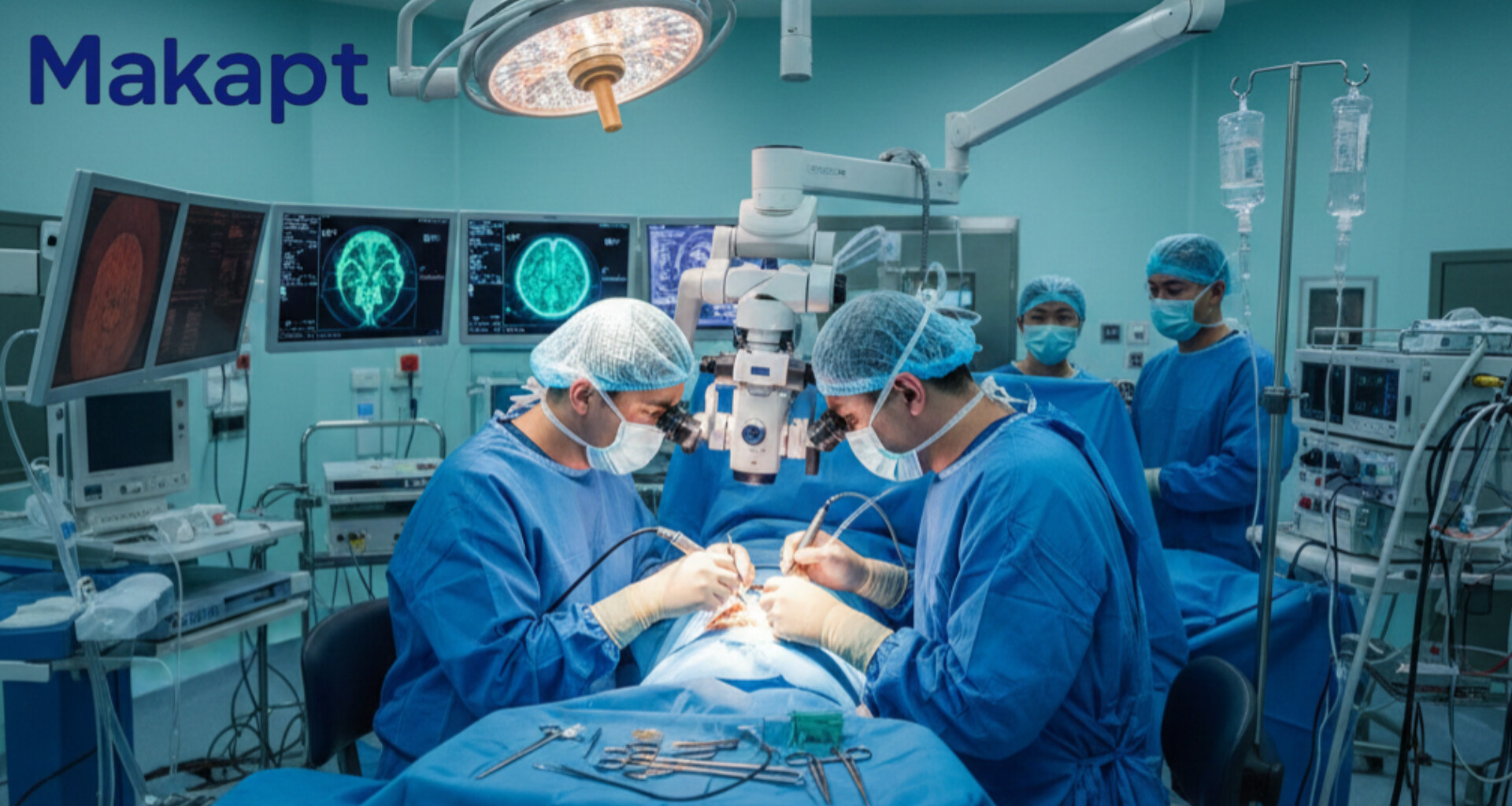
Who is the Best Neurosurgeon in Gorakhpur? | Top Brain and Spine Specialists
If you or someone you love is facing a brain or spine problem, you might be asking — who is the best neurosurgeon in Gorakhpur?
Finding the right doctor for such serious health issues can feel confusing, but don’t worry! Gorakhpur has some of the most experienced and trusted neurosurgeons offering advanced treatments at leading hospitals.
In this blog, you’ll learn about the best doctors for brain tumor surgery, top-rated spine surgeons, and affordable hospitals for neurosurgery in Gorakhpur.
What Does a Neurosurgeon Do?
A neurosurgeon is a specialist doctor who treats diseases and injuries of the brain, spine, and nervous system.
They perform surgeries for brain tumors, slipped discs, head injuries, and nerve problems. A skilled neurosurgeon helps patients recover movement, balance, and confidence — improving their overall quality of life.
Top Neurosurgeons and Hospitals in Gorakhpur
Here are some of the most trusted names when it comes to brain and spine care in Gorakhpur:
🩺 Dr. Satish Nayak – New Anandlok Hospital, Paidleganj
- Qualification: MBBS, MS, MCH (Neuro)
- Experience: 10 years overall
- Dr. Nayak is known for his caring nature and strong expertise in brain and spine surgeries. Patients appreciate his clear communication and modern approach to treatment.
If you’re looking for an affordable brain surgery in Gorakhpur, New Anandlok Hospital is a great choice for quality care at a reasonable cost.
🩺 Dr. T. P. Panday – Niramaya Hospital, Sports College Road
- Qualification: MBBS, MS, MCH
- Experience: 4 years overall
- Dr. Panday is a dedicated young neurosurgeon who focuses on both spine and brain surgeries. Niramaya Hospital offers advanced facilities and experienced nursing staff, making it one of the best hospitals for brain surgery in Gorakhpur.
🩺 Dr. Qamar Siddiqui – Rachit Multispeciality Hospital, Mugalaha
- Qualification: MBBS, MS, MCh (Neurosurgery)
- Experience: 20 years overall
- With over two decades of experience, Dr. Siddiqui is one of the most respected brain tumor specialist doctors in Gorakhpur. His hospital, Rachit Multispeciality, is known for advanced surgical care and excellent recovery rates.
🩺 Dr. Ravi Rai – Rachit Multispeciality Hospital, Mugalaha
- Qualification: MBBS, MD, MCh, DNB
- Experience: 22 years overall
- Dr. Rai is among the top-rated spine surgeons near me in Gorakhpur. His calm approach and surgical precision make him a trusted choice for complex spine and brain cases.
Rachit Multispeciality Hospital also provides affordable neurosurgery options and 24x7 emergency services.
Pediatric Neurosurgeon in Gorakhpur
Children who suffer from brain or spinal issues need gentle, specialized care. Hospitals like Rachit Multispeciality and New Anandlok Hospital have experienced doctors trained to handle delicate surgeries for kids.
If you’re looking for a pediatric neurosurgeon in Gorakhpur, these centers provide safe and compassionate treatment.
Neurosurgeon Near Gorakhpur Railway Station
For patients coming from nearby cities or villages, it’s convenient to visit a neurosurgeon near Gorakhpur railway station.
Hospitals like Niramaya and New Anandlok are located in easily accessible areas, saving travel time and making follow-up visits easier for families.
How to Choose the Right Neurosurgeon
Here are some quick tips to help you pick the right specialist:
- Check the doctor’s qualifications and experience
- Read patient reviews online
- Visit the hospital to see their facilities
- Choose a doctor who listens patiently and explains clearly
- Make sure the hospital provides 24-hour support
Your brain and spine health deserve the best care possible. Whether you need treatment for a brain tumor, spine injury, or nervous system disorder, Gorakhpur offers excellent doctors and hospitals.
If you’re searching for the best neurosurgeon in Gorakhpur, you can confidently reach out to:
- Dr. Satish Nayak (New Anandlok Hospital)
- Dr. T.P. Panday (Niramaya Hospital)
- Dr. Qamar Siddiqui (Rachit Multispeciality Hospital)
- Dr. Ravi Rai (Rachit Multispeciality Hospital)
Each of them provides expert care, advanced facilities, and compassionate support — helping patients heal faster and live healthier lives.

Who Is the Best Urologist in Gorakhpur?
If you have kidney pain, urinary infection, or frequent urination, it’s time to visit the best urologist in Gorakhpur.
A urologist is a kidney and bladder specialist who helps people with urine problems, kidney stones, prostate issues, and male health concerns.
Healthy kidneys mean a healthy life — and Gorakhpur has some of the most trusted urologists who are experts at treating these problems with care and modern technology.
Best Urologist Near Me in Gorakhpur
Here are some of the top and best urologists in Gorakhpur who provide advanced and affordable treatment:
- Dr. Rohit Kumar Singh – M.B.B.S, M.S., MCh (Urology), Da Vinci Certified Robotic Uro Surgeon
📍 Synergy Superspeciality Hospital and Cancer Institute, Chhatrasang Chauraha, Gorakhpur
🩺 12 years of experience
Known for robotic urology and advanced kidney surgeries with precision and care. - Dr. Vishrut Bharti – MBBS, MS (General Surgery), MCh (Urology), Gold Medalist
📍 Synergy Superspeciality Hospital and Cancer Institute, Chhatrasang Chauraha, Gorakhpur
🩺 12 years of experience
One of the top-rated urologists known for expert prostate and kidney treatments. - Dr. Rohit Ranjan – MBBS, MS, MCh (Urology)
📍 New Anandlok Hospital, Paidleganj, Gorakhpur
🩺 6 years of experience
Specializes in urinary infection and kidney stone management using modern techniques. - Dr. Vikram Singh – MBBS, MS, MCh (Urology)
📍 New Anandlok Hospital, Paidleganj, Gorakhpur
🩺 8 years of experience
Expert in treating urinary blockage and kidney problems with personalized care. - Dr. Somit Kumar – MCh (Urology)
📍 New Anandlok Hospital, Paidleganj, Gorakhpur
🩺 12 years of experience
Offers safe and effective treatment for prostate and bladder issues. - Dr. Anand Agrawal – MBBS, MS (General Surgery)
📍 New Anandlok Hospital, Paidleganj, Gorakhpur
🩺 32 years of experience
A senior and experienced urologist trusted by families across Gorakhpur for decades. - Dr. Abhinav Jaiswal – MS (General Surgery), MBBS, DNB (Urology/Genito-Urinary Surgery)
📍 Lifecare Hospital, Betiahata, Gorakhpur
🩺 20 years of experience
Known for handling complex kidney and urinary surgeries with great success. - Dr. Vikash Kumar Singh – MBBS, MS, MCh (Urology)
📍 Rachit Multispeciality Hospital, Mugalaha, Gorakhpur
🩺 10 years of experience
Specialist in laser kidney stone surgery and prostate treatments. - Dr. Gaurav Tulsyan – MBBS, MS, MCh (Urology)
📍 City Life Hospital, Khalilabad
🩺 12 years of experience
Skilled in treating urinary infections, kidney stones, and male health concerns.
Experienced Kidney Specialist in Gorakhpur
If you’re looking for an experienced kidney specialist in Gorakhpur, doctors like Dr. Rohit Kumar Singh and Dr. Abhinav Jaiswal are highly trusted.
They use advanced scans and tests to check your kidneys and suggest the right treatment so you can recover fast.
Doctor for Urinary Infection in Gorakhpur
Urinary infections can cause pain, burning, and discomfort.
Doctors such as Dr. Vikram Singh and Dr. Rohit Ranjan provide quick and effective care for urinary infections in Gorakhpur.
With proper medicines and hydration, you can feel better in just a few days.
Affordable Kidney Stone Surgery in Gorakhpur
Worried about kidney stone surgery? Don’t be!
Hospitals like New Anandlok Hospital and Synergy Superspeciality Hospital offer affordable kidney stone surgery in Gorakhpur.
Doctors like Dr. Somit Kumar and Dr. Vikash Kumar Singh use laser and shock-wave treatments that are safe, fast, and almost painless.
Urologist for Prostate Treatment in Gorakhpur
Men often face prostate issues as they grow older.
A urologist for prostate treatment in Gorakhpur, such as Dr. Vishrut Bharti, provides proper medication and minimally invasive procedures to improve urine flow and comfort.
Kidney and Bladder Specialist in Gorakhpur
A kidney and bladder specialist in Gorakhpur treats infections, blockages, and other urinary problems.
Doctors like Dr. Anand Agrawal and Dr. Rohit Kumar Singh ensure long-term kidney health through expert diagnosis and care.
Doctor for Male Sexual Health in Gorakhpur
Male sexual health problems are common but treatable.
Dr. Gaurav Tulsyan and Dr. Abhinav Jaiswal provide private and confidential care for male health concerns, helping patients regain confidence and wellness.
Urologist for Frequent Urination Problem in Gorakhpur
If you need to visit the washroom too often, you may have an underlying urinary issue.
Doctors like Dr. Vikash Kumar Singh and Dr. Rohit Ranjan help identify the cause and provide treatment to reduce frequent urination effectively.
Urology Surgeon for Stone Removal in Gorakhpur
A urology surgeon for stone removal in Gorakhpur, such as Dr. Somit Kumar, uses laser and endoscopic methods to remove kidney stones safely.
Most patients recover quickly and go home the same day.
Doctor for Urine Blockage Treatment in Gorakhpur
If your urine flow suddenly stops or slows down, visit a doctor for urine blockage treatment in Gorakhpur immediately.
Specialists like Dr. Vishrut Bharti and Dr. Rohit Kumar Singh can help restore normal flow and prevent kidney damage.
Final Words
Your kidneys and bladder are vital for your health.
Whether you need stone surgery, infection care, or prostate treatment, Gorakhpur has some of the most experienced and caring urologists ready to help.
Visit Synergy Superspeciality Hospital, New Anandlok Hospital, Rachit Multispeciality Hospital, or Lifecare Hospital today — and take the first step toward a healthier, happier life!

Who Is the Best Gastroenterologist in Gorakhpur?
If you often feel stomach pain, acidity, or bloating, you might need to see the best gastroenterologist in Gorakhpur. A gastroenterologist is a stomach and liver specialist who helps people with problems like gas, indigestion, fatty liver, or IBS (Irritable Bowel Syndrome).
Good stomach health means good overall health — and in Gorakhpur, you’ll find many caring and experienced stomach doctors who can help you feel better.
Best Gastroenterologist Near Me in Gorakhpur
If you’re searching for the best gastroenterologist near me in Gorakhpur, here are some of the top and trusted doctors:
- Dr. Anand Panday – MBBS, 10 years of experience
📍 New Anandlok Hospital, Paidleganj, Gorakhpur
Known for treating complex stomach and liver problems with care and precision. - Dr. S. Regmi – MS, MCH, 7 years of experience
📍 New Anandlok Hospital, Paidleganj, Gorakhpur
A skilled specialist for digestive and liver issues, offering gentle and effective treatments. - Dr. Shivam Kumar Verma – MBBS, MD, DM, 6 years of experience
📍 Rachit Multispeciality Hospital, Mugalaha, Gorakhpur
Highly experienced in handling acidity, gas, and fatty liver problems with modern medical care.
Experienced Stomach Specialist in Gorakhpur
An experienced stomach specialist in Gorakhpur can help you manage problems like indigestion, pain, and heartburn.
Doctors like Dr. Anand Panday and Dr. S. Regmi use advanced tests and treatments to find the root cause of your stomach troubles and help you recover faster.
Doctor for Acidity and Gas Problem in Gorakhpur
Acidity and gas can make you feel uneasy and tired. A doctor for acidity and gas problem in Gorakhpur, such as Dr. Shivam Kumar Verma, helps you manage it through diet changes, medicines, and healthy lifestyle tips.
With the right care, your stomach will thank you!
Affordable Gastro Treatment in Gorakhpur
Finding affordable gastro treatment in Gorakhpur is now easy. Hospitals like New Anandlok Hospital and Rachit Multispeciality Hospital offer expert care at reasonable costs.
From consultation to tests, everything is available under one roof — making treatment simple and stress-free.
Endoscopy Test Center in Gorakhpur
An endoscopy test center in Gorakhpur helps doctors look inside your stomach to find ulcers, infections, or other issues.
Both New Anandlok Hospital and Rachit Multispeciality Hospital have safe and modern facilities for endoscopy tests, ensuring quick and accurate diagnosis.
Liver and Stomach Doctor in Gorakhpur
Your liver and stomach work closely together. If you feel tired, bloated, or have poor digestion, visit a liver and stomach doctor in Gorakhpur like Dr. S. Regmi or Dr. Anand Panday.
They help you take care of your liver health through proper diet and medication.
Best Doctor for IBS in Gorakhpur
IBS (Irritable Bowel Syndrome) causes cramps, bloating, and discomfort. The best doctor for IBS in Gorakhpur, Dr. Shivam Kumar Verma, provides treatment that focuses on your lifestyle, stress levels, and diet to reduce IBS symptoms naturally.
Gastroenterologist for Fatty Liver in Gorakhpur
A gastroenterologist for fatty liver in Gorakhpur, like Dr. Anand Panday, offers proper guidance on controlling fatty liver with healthy eating and regular checkups.
Fatty liver can be reversed if treated early — and the right doctor makes it possible.
Digestive Disorder Treatment in Gorakhpur
Digestive issues like acidity, gas, and constipation are very common.
Digestive disorder treatment in Gorakhpur is offered by skilled doctors at New Anandlok Hospital and Rachit Multispeciality Hospital.
They provide safe and effective care to make sure your digestion works smoothly again.
Doctor for Bloating and Abdominal Pain in Gorakhpur
Constant bloating or stomach pain can stop you from enjoying life.
A doctor for bloating and abdominal pain in Gorakhpur, like Dr. S. Regmi or Dr. Shivam Kumar Verma, checks your symptoms carefully and gives you quick relief through proper medicines and advice.
Final Words
Your stomach health is key to your happiness!
Whether it’s acidity, IBS, or fatty liver, Gorakhpur has some of the most trusted gastroenterologists ready to help you.
Visit New Anandlok Hospital or Rachit Multispeciality Hospital today to meet experts like Dr. Anand Panday, Dr. S. Regmi, and Dr. Shivam Kumar Verma — and start your journey to a healthy stomach and better life!

Who Is the Best Pediatrics in Gorakhpur? Find the Right Child Doctor for Your Little One!
Every parent wants the best pediatrics in Gorakhpur to take care of their child’s health. Kids need special care because their bodies are still growing. Whether it’s a simple cold, fever, or baby vaccination, choosing the right pediatrician can make a big difference in your child’s well-being.
Let’s meet some of the most trusted and caring child specialists in Gorakhpur who are known for their experience and gentle approach.
Best Pediatrician Near Me in Gorakhpur
If you’re looking for the best pediatrician near me in Gorakhpur, here are some highly trusted
doctors:
Dr. Shivendra Rai – MBBS, MD (Pediatrics), 4 years of experience
📍 Niramaya Hospital, Sports College Road, Gorakhpur
Dr. Rai is known for his friendly nature and caring treatment for newborns, infants, and growing children.Dr. Santosh Kr. Gupta – MBBS, MD (Pediatrics), 8 years of experience
📍 Rachit Multispeciality Hospital, Mugalaha, Gorakhpur
He is an expert in child nutrition, growth monitoring, and common health issues like cough and fever.Dr. Akshay Prasad – MBBS, MS, MCH, 6 years of experience
📍 Rachit Multispeciality Hospital, Mugalaha, Gorakhpur
Dr. Prasad specializes in overall child care and provides personalized treatment for every child.
Experienced Child Doctor in Gorakhpur for Fever and Cough
Children often catch fever or cough due to weather changes or infections. An experienced child doctor in Gorakhpur for fever and cough, like Dr. Santosh Gupta or Dr. Shivendra Rai, can quickly find the cause and treat it with gentle, effective medicine.
Regular visits also help prevent recurring infections.
Top Newborn Care Specialist in Gorakhpur
Newborn babies need extra love and medical attention. A top newborn care specialist in Gorakhpur, like Dr. Shivendra Rai at Niramaya Hospital, helps parents with baby feeding, sleep issues, and overall health.
These specialists guide new parents at every step, ensuring the baby grows strong and healthy.
Vaccination Schedule for Babies in Gorakhpur
Vaccines keep babies safe from dangerous diseases. Following the vaccination schedule for babies in Gorakhpur is very important.
Hospitals like Niramaya Hospital and Rachit Multispeciality Hospital offer complete vaccination programs and reminders so you never miss a dose.
Affordable Pediatric Treatment in Gorakhpur
Parents often worry about costs, but you can find affordable pediatric treatment in Gorakhpur easily.
Both Niramaya Hospital and Rachit Multispeciality Hospital offer high-quality child care and checkups at reasonable prices. You get the best treatment without stressing about bills.
Best Children’s Clinic for Infants in Gorakhpur
Infants need regular visits to a trusted clinic for early health checks. The best children’s clinic for infants in Gorakhpur can be found at Rachit Multispeciality Hospital, where doctors like Dr. Santosh Gupta and Dr. Akshay Prasad provide full infant care — from growth tracking to early vaccinations.
Child Specialist for Growth and Height Issues in Gorakhpur
If your child is shorter or lighter than other kids, don’t panic. A child specialist for growth and height issues in Gorakhpur, such as Dr. Santosh Gupta, can check your child’s diet and development.
They guide parents on nutrition and exercises that help with proper growth.
24-Hour Pediatrician in Gorakhpur
Children can fall sick anytime — even at night. A 24-hour pediatrician in Gorakhpur ensures that help is always available.
Hospitals like Niramaya and Rachit Multispeciality have round-the-clock emergency care for children, so you can visit anytime your little one needs urgent attention.
Pediatric Doctor for Premature Babies in Gorakhpur
Premature babies need extra medical support. A pediatric doctor for premature babies in Gorakhpur, like Dr. Akshay Prasad, monitors your baby’s breathing, feeding, and growth carefully.
These doctors provide advanced care to help your premature baby thrive.
Baby Vaccination Center in Gorakhpur
Looking for a trusted baby vaccination center in Gorakhpur?
Visit Niramaya Hospital or Rachit Multispeciality Hospital, where vaccinations are done safely under the supervision of experienced pediatricians. They maintain proper hygiene and accurate vaccination records.
Final Words
Your child deserves the best care — and Gorakhpur has some of the most caring and experienced pediatricians ready to help.
Whether you need a pediatric doctor for premature babies, a baby vaccination center, or advice on growth and height issues, doctors like Dr. Shivendra Rai, Dr. Santosh Gupta, and Dr. Akshay Prasad are among the best choices.
Visit trusted hospitals like Niramaya Hospital and Rachit Multispeciality Hospital to give your child the care they deserve — healthy, happy, and full of smiles!

Your Health Matters: Find the Best General Physician in Gorakhpur
When it comes to staying healthy, visiting a general physician in Gorakhpur is one of the smartest choices you can make. A general physician is the doctor you go to when you have fever, cough, stomach pain, or just want a full health checkup. They are like your first friend in the world of medicine — always ready to listen, guide, and help you feel better.
What Does a General Physician Do?
A general physician (also known as a general medicine doctor) takes care of your everyday health problems. They check your symptoms, run simple tests, and suggest medicines or treatments.
If needed, they may guide you to a specialist — but most of the time, your general physician clinic in Gorakhpur can handle common illnesses easily.
Here are some things a general doctor in Gorakhpur can help you with:
- Cold, cough, fever, or flu
- Headache, body ache, or tiredness
- Blood pressure or sugar check-ups
- Stomach and digestion problems
- Routine health checkups
Meet Your Family’s Health Partner
A family physician in Gorakhpur is not just for you — they’re for your whole family! From kids to grandparents, a family doctor knows everyone’s health history and provides the right care every time.
They keep track of your reports, vaccines, and follow-ups, making sure your family stays healthy all year round.
The Importance of a Primary Care Physician
A primary care physician in Gorakhpur is your first step in any medical journey. Whether you’re feeling sick or just want advice on healthy living, they make sure you get the right treatment without delay.
Having a trusted primary care doctor means you don’t have to run from one hospital to another — you can get reliable care close to home.
Why Choose an Experienced General Physician in Gorakhpur?
Experience matters in healthcare. An experienced general physician in Gorakhpur can quickly identify your symptoms and suggest effective treatments. Their knowledge helps you recover faster and prevent future illness.
If you’re looking for the best general physician in Gorakhpur, choose someone who listens patiently, explains clearly, and truly cares for your well-being.
Taking Care of Adult Health
As we grow older, our bodies need more attention. An adult health physician in Gorakhpur focuses on keeping your health strong through regular checkups, blood tests, and lifestyle advice. Small steps today can prevent big problems tomorrow!
Finding the Right Clinic in Gorakhpur
When searching for a general physician clinic in Gorakhpur, look for a place that is clean, friendly, and easy to reach. The clinic should offer basic tests, medicines, and consultation in one spot — so you can get healthy without any stress.
Stay Healthy, Stay Happy!
Good health starts with simple steps — regular checkups, proper sleep, and seeing your general medicine doctor in Gorakhpur whenever something feels off. Don’t wait for illness to get worse — early care means faster recovery.
Your general physician in Gorakhpur is here to help you stay strong, active, and full of life.